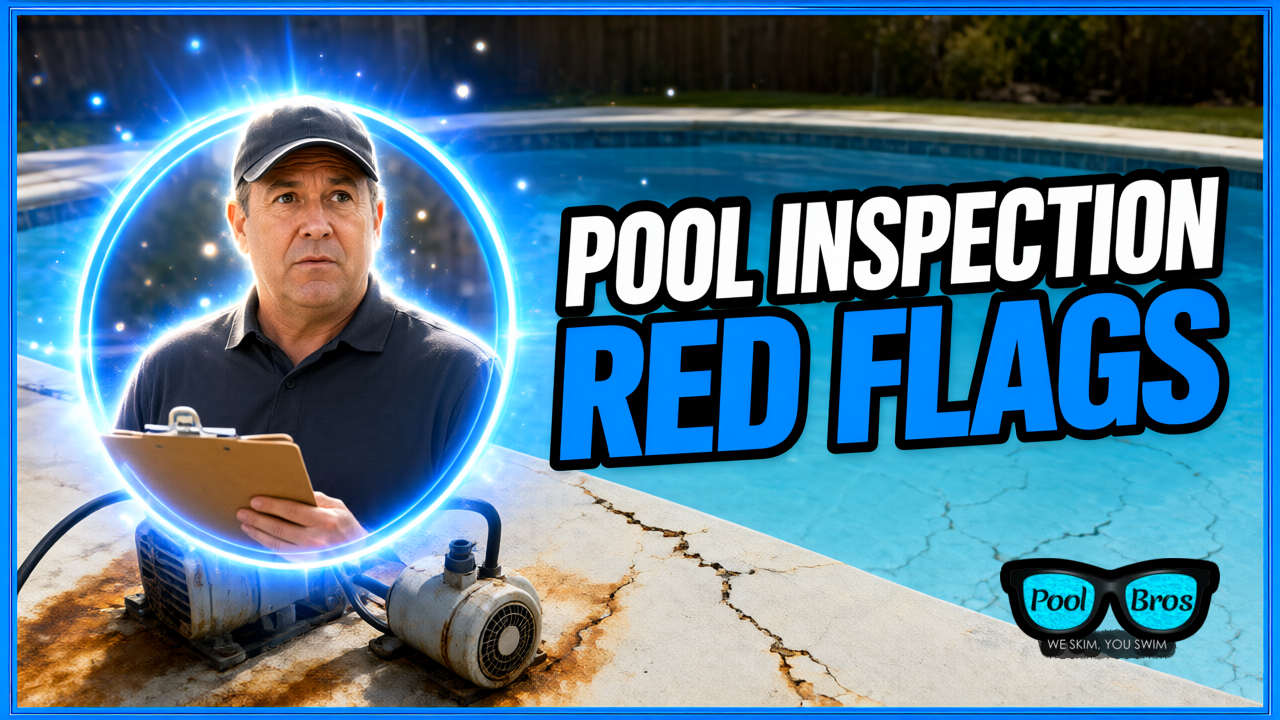
The house looked perfect. Fresh paint, new roof, updated kitchen. Then the buyer's Pool Inspection in Galena Park found a hairline crack in the shell that had been painted over three times, a pump manufactured in 2009, and rust stains bleeding through the plaster like a wound that wouldn't heal. The repair estimate came back at $6,800, and the seller had already packed the moving truck. This is not a rare story in Galena Park. It's a pattern, and it's why a dedicated pool inspection matters more than the general home inspection most buyers rely on.
What Galena Park's Soil and Drainage Mean for an Older Pool's Structure
Galena Park sits on the coastal prairie, and that geography is not kind to swimming pools. The ground here is a mix of clay and sandy loam that expands when it's wet and contracts when it dries. Houston averages about 50 inches of rain per year, and much of it falls in intense bursts that saturate the soil around a pool shell in a matter of hours. When that clay soil swells, it pushes against the pool walls. When it dries out in a July heat wave, it pulls away, leaving voids under the deck and sometimes under the shell itself.
Older pools, especially those built before the 1990s, were often installed with less sophisticated drainage than today's builds. Many Galena Park homes have pools that were added decades ago without proper deck drains, French drains, or a sump system to manage groundwater. That means the pool structure is doing double duty: holding water in, and holding soil pressure out. Over 20 or 30 years, that pressure creates the cracks and shifts that a fresh coat of paint can hide for a season or two. A pool inspection that doesn't account for soil movement is just a visual scan, and in this part of Texas, visual scans miss the expensive stuff.
When Pool Bros performs a pool inspection in Galena Park, the technician looks at the pool through the lens of drainage. Is the deck pitched away from the pool? Are there low spots where water pools after a storm? Does the yard slope toward the pool equipment pad? These details don't show up on a standard home inspection report, but they tell you whether the pool is fighting a losing battle against the ground it sits in.
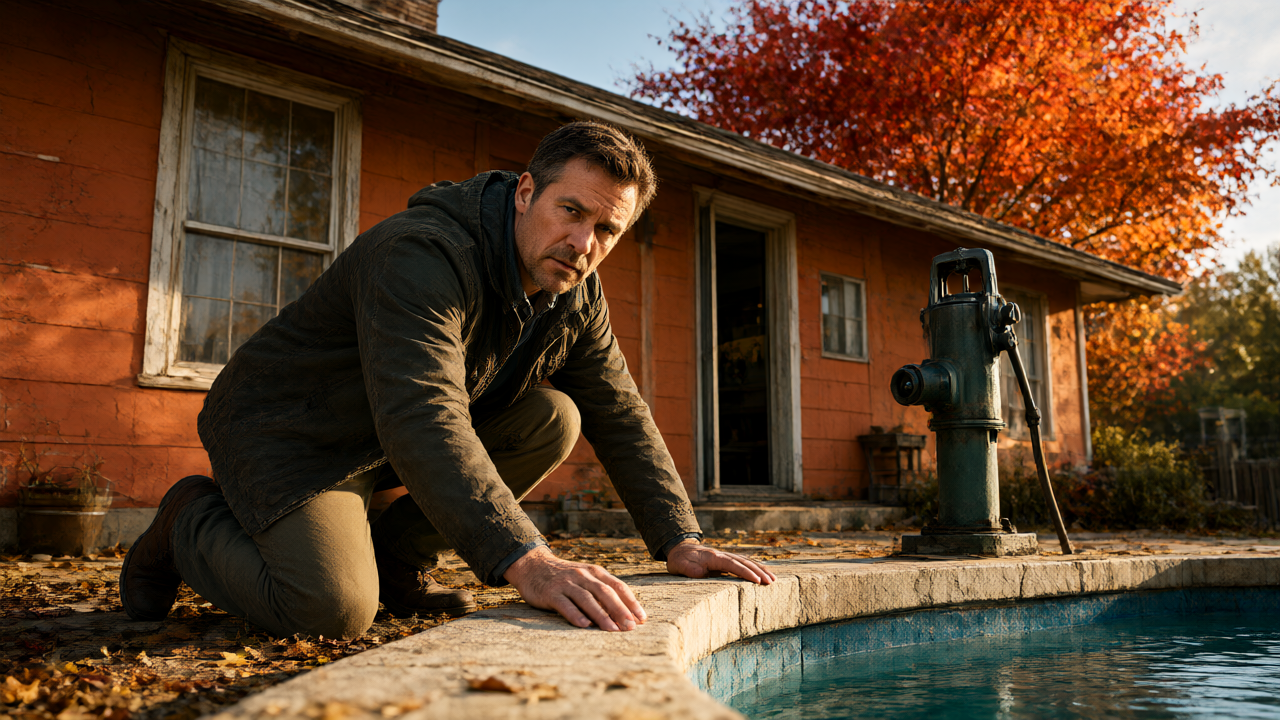
5 Inspection Red Flags: Cracks, Patch Jobs, Soft Plaster, Rust Stains, and Pump Age
A thorough pool inspection covers dozens of checkpoints, but five red flags separate a pool that needs a little love from one that's a money pit. Ask the inspector to document each of these with photos and notes, because you'll want them for negotiation.
1. Structural cracks that run through the shell. Hairline cracks in plaster are common and often cosmetic. Cracks that follow a pattern, run vertically from the skimmer, or appear on the pool floor near a return line are different. Those can signal movement in the shell or deck. A crack wider than a credit card (about 1/16 inch) needs a closer look, often with a leak detection test to see if water is escaping through it.
2. Patch jobs that don't match. Look for circles of plaster that are a slightly different color or texture than the surrounding surface. Homeowners often patch cracks before a sale, and a patch that's already failing is a sign the underlying problem wasn't fixed. A good inspector will tap on patches; a hollow sound means the bond has broken.
3. Soft or chalky plaster. Run your hand along the pool wall at the waterline. Plaster should feel hard and slightly rough, like concrete. If it feels chalky, leaves a white residue on your hand, or flakes off when you rub it, the plaster is at the end of its life. In Galena Park's heat, plaster typically lasts 10 to 15 years before it needs resurfacing.
4. Rust stains that keep coming back. Rust stains near the skimmer, light niches, or return fittings often mean the metal components behind the plaster are corroding. Sometimes it's a failing light ring or a ladder anchor. Sometimes it's rebar in the shell that's too close to the surface and has started to oxidize. The first is a cheap fix. The second is not.
5. A pump that's older than the buyer's car. Check the manufacturer date on the pump. In Galena Park's climate, a pool pump runs 8 to 12 hours a day, 365 days a year. Most pumps last 8 to 12 years with good care. A pump from 2010 or earlier is living on borrowed time, and replacement costs $800 to $1,500 installed for a variable speed model. That's a negotiating point, not a deal breaker.
Here's a quick checklist to bring to the inspection:
- Ask the inspector to photograph and measure any crack wider than a hairline.
- Request a dye test at the skimmer and light niches to check for active leaks.
- Look at the pump label for the manufacture date and horsepower.
- Check the filter for rust or cracks in the tank.
- Walk the deck and note any spots that feel loose or sound hollow.
Pool Inspection vs. Home Inspection: What Each One Actually Covers
Most buyers assume the general home inspection covers the pool. It usually doesn't, at least not in the detail that matters. A Texas home inspector is trained to look at the house systems: foundation, roof, electrical, plumbing, HVAC. The pool is often listed as an "excluded system" or given a quick visual once over that amounts to "pool is present and has water."
A dedicated pool inspection is a different animal. It includes water chemistry testing, equipment diagnostics, a leak detection survey, an assessment of the plaster and tile, and a review of the pump, filter, heater, and any automation. At Pool Bros, the inspection also covers the safety features: is there a working safety cover or fence, are the drain covers compliant with current standards, and is the electrical bonding up to code? These are the items that can turn a fun backyard into a liability.
If you're buying a home in Galena Park or anywhere in the Houston area, schedule the pool inspection within the option period, ideally on the same day as the home inspection or the day after. That way you have time to get repair quotes and renegotiate before your option fee goes hard. The cost for a pool inspection typically runs $300 to $500 in this market, which is a small price compared to discovering a $6,000 resurfacing job after closing.
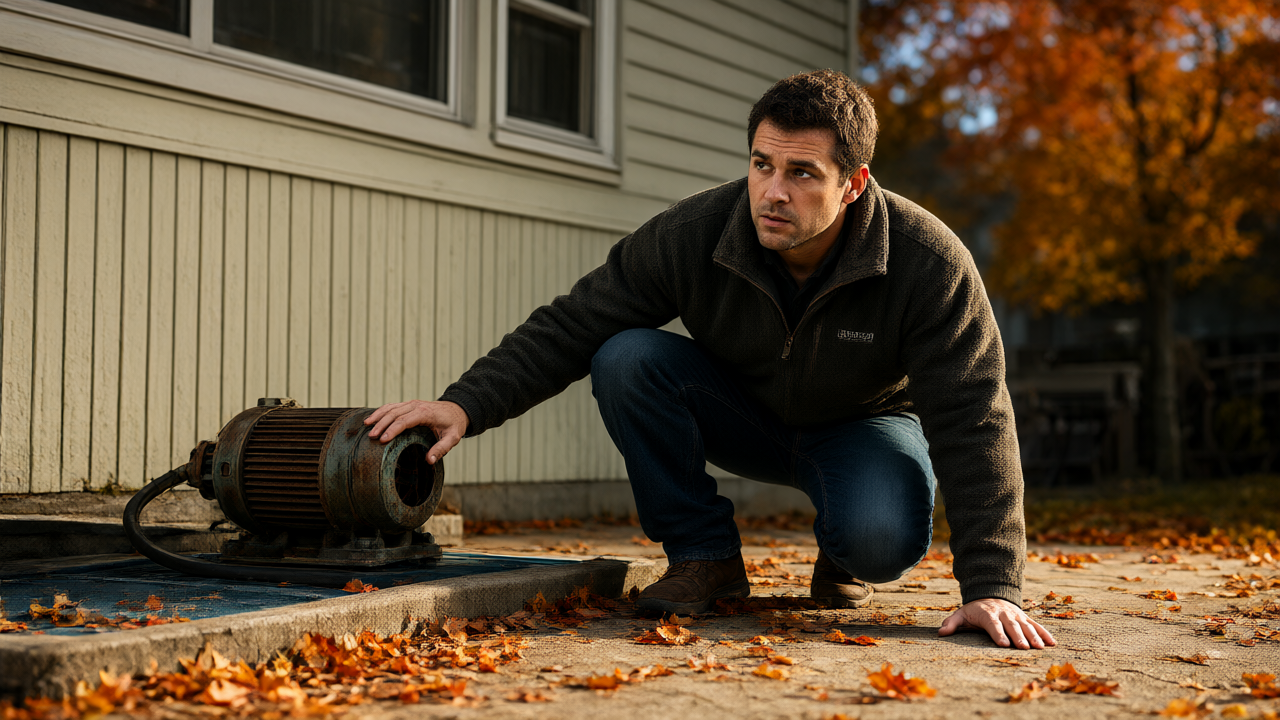
Repair Cost Estimates for the Most Common Findings in Galena Park
Knowing what repairs cost helps you negotiate with confidence. These are realistic ranges for Galena Park and the surrounding Houston neighborhoods in 2026, based on the work Pool Bros does every week.
- Plaster resurfacing: $4,500 to $8,000 for a standard pool, depending on size and finish. Soft plaster is the most common major finding in older Galena Park pools.
- Structural crack repair: $800 to $2,500 if the crack is accessible and doesn't require draining the pool. If the shell needs injection or structural stitching, costs climb quickly.
- Pump replacement: $800 to $1,500 installed for a variable speed pump. A variable speed pump can cut energy use by 50 to 70 percent compared to an old single speed model, which softens the blow.
- Filter replacement: $600 to $1,200 for a cartridge or DE filter, installed.
- Leak detection and repair: $250 to $450 for the detection itself. Repair costs vary widely; a simple fitting might be $150, while a buried line repair can run $1,000 or more.
- Heater repair: $200 to $600 for common fixes. A full heater replacement runs $2,000 to $3,500.
Here's where honesty matters: not every red flag requires immediate repair. A pool with chalky plaster can often be resurfaced a year or two down the road if the water chemistry is managed carefully. A pump that's 10 years old but running well doesn't need to be replaced today. The inspection report should separate "must fix now" from "budget for this in the next few years," and a good inspector will tell you which is which. If someone tells you everything is urgent, get a second opinion.
How to Time an Inspection Before Closing on a Galena Park Home
Timing is everything in a real estate transaction. In Texas, the option period is your window to inspect and negotiate, and it's usually 7 to 10 days in a competitive market. Call to schedule the pool inspection as soon as your offer is accepted, ideally before the home inspection so you can coordinate access.
Prepare a list of questions for the inspector: How old is the plaster? When was the pump last replaced? Has the pool ever been drained? Are there any active leaks? Ask for a written report with photos, not just a verbal summary. That report is your leverage at the negotiating table.
If the inspection finds major issues, you have three options: ask the seller to repair before closing, negotiate a credit for the estimated cost, or walk away if the numbers don't work. In Galena Park's market, sellers often agree to a credit rather than manage repairs themselves, especially for resurfacing or equipment replacements.
If you're buying a home with a pool in Galena Park, Pool Bros handles pool inspections that go beyond the surface. They'll tell you what's cosmetic, what's critical, and what it will cost to fix, without the sales pitch. Give them a call before your option period ends. It's the best $300 to $500 you'll spend on the whole transaction.
Frequently Asked Questions
How much does a pool inspection cost in Galena Park?
Most pool inspections in Galena Park run $300 to $500, depending on the pool size and whether leak detection is included. Some inspectors charge extra for water chemistry testing or equipment diagnostics, so ask for a flat quote upfront.
Can I skip the pool inspection if the home inspector says the pool looks fine?
Yes, but you're taking a risk. Home inspectors typically do a visual check only and don't test equipment or check for leaks. A dedicated pool inspection from a qualified technician is the only way to know the real condition of the plaster, pump, and plumbing.
What's the most common problem found in Galena Park pool inspections?
Soft or failing plaster is the most common major finding, followed by aging pumps and filters. Galena Park's heat and soil movement accelerate wear on pool surfaces, so pools older than 10 years often need resurfacing or equipment updates.
How long does a pool inspection take?
A thorough inspection usually takes 1 to 2 hours, depending on the pool's size and complexity. The inspector should provide a written report with photos within 24 to 48 hours.