
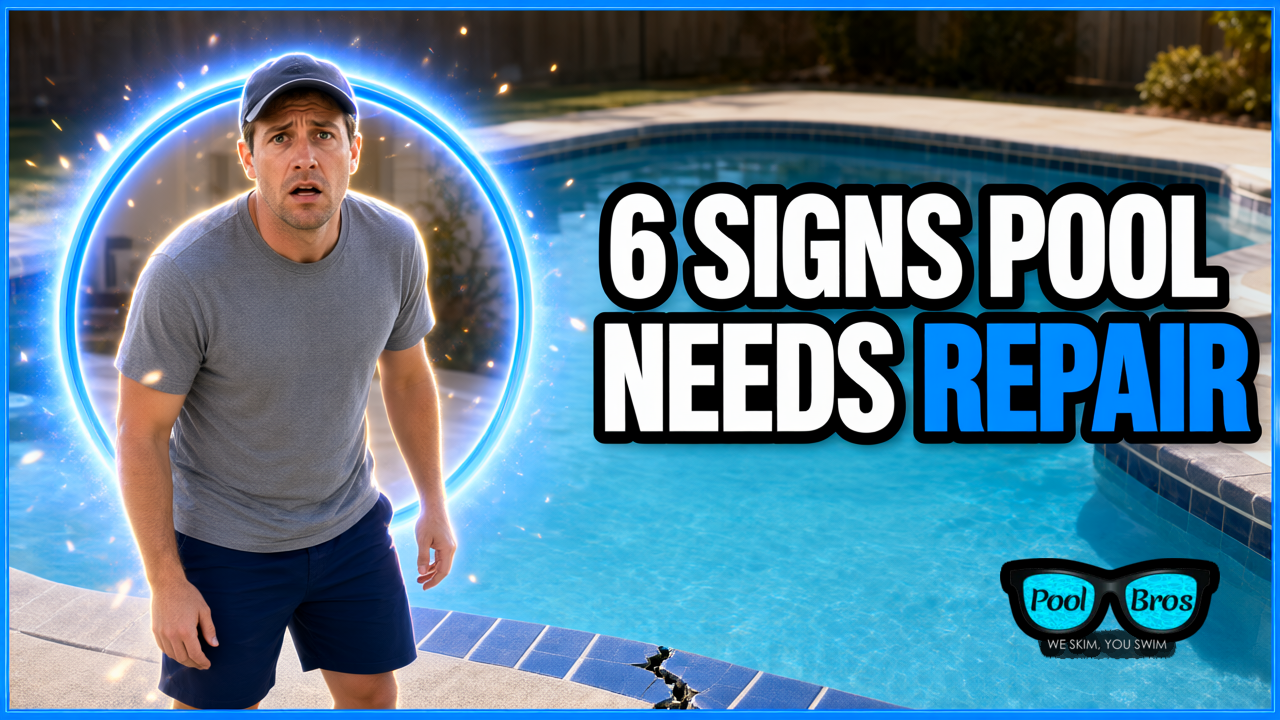
You are standing by your pool in late October 2026. The air is crisp, but the water looks wrong. You see a hairline fracture running along the tile line near the skimmer. It looks small, maybe just a cosmetic scratch from a stray branch or a dropped tool. But you know that feeling when something feels off. In the Houston area, ignoring that tiny crack in the tile often leads to a massive plastering job costing thousands of dollars by next spring. You need to understand exactly what those visual cues mean before the problem spirals out of control.
Cracked Tile Lines: The First Visual Cue for Pool Damage
When you look at your pool, the first thing that catches your eye is usually the tile line. This is the border where the water meets the deck, and it tells a story about the structural health of the entire vessel. A hairline fracture in the grout or the tile itself is not just a cosmetic issue; it is often the first sign of shifting soil or a compromised pool shell. In Houston, TX, the clay-heavy soil expands and contracts with moisture changes, putting constant pressure on the concrete structure. If you see a crack that runs parallel to the water line, this is a warning sign that the hydrostatic pressure from the ground is pushing against your pool walls.
Most homeowners mistake these cracks for minor surface damage that can be patched with silicone or grout. This is a dangerous assumption. Water does not just stay on the surface; it seeks the path of least resistance. A crack in the tile line allows water to escape from the pool into the surrounding ground, and conversely, groundwater can enter the pool structure if the pressure shifts. We have seen clients who spent hundreds of dollars resealing a cracked area only for the leak to return because the underlying structural issue was never addressed.
Here is what you need to know about tile line damage:
- If the crack is less than 1/16 of an inch and runs horizontally, it might be a surface grout issue that can be cleaned or re-grouted.
- If the crack is jagged, vertical, or wider than 1/8 of an inch, it indicates structural movement in the concrete shell.
- Water leaking from behind the tile line is a critical red flag that requires immediate attention to prevent salt buildup on the deck, which can damage the coping and the surrounding landscaping.
Ignoring these visual cues leads to expensive repairs later. A small leak detected now might only require a localized patch or epoxy injection. If left unchecked for a year, that same leak could erode the concrete underneath, causing a section of your pool wall to collapse. Professional services in Houston understand that tile line integrity is the first line of defense against structural failure.
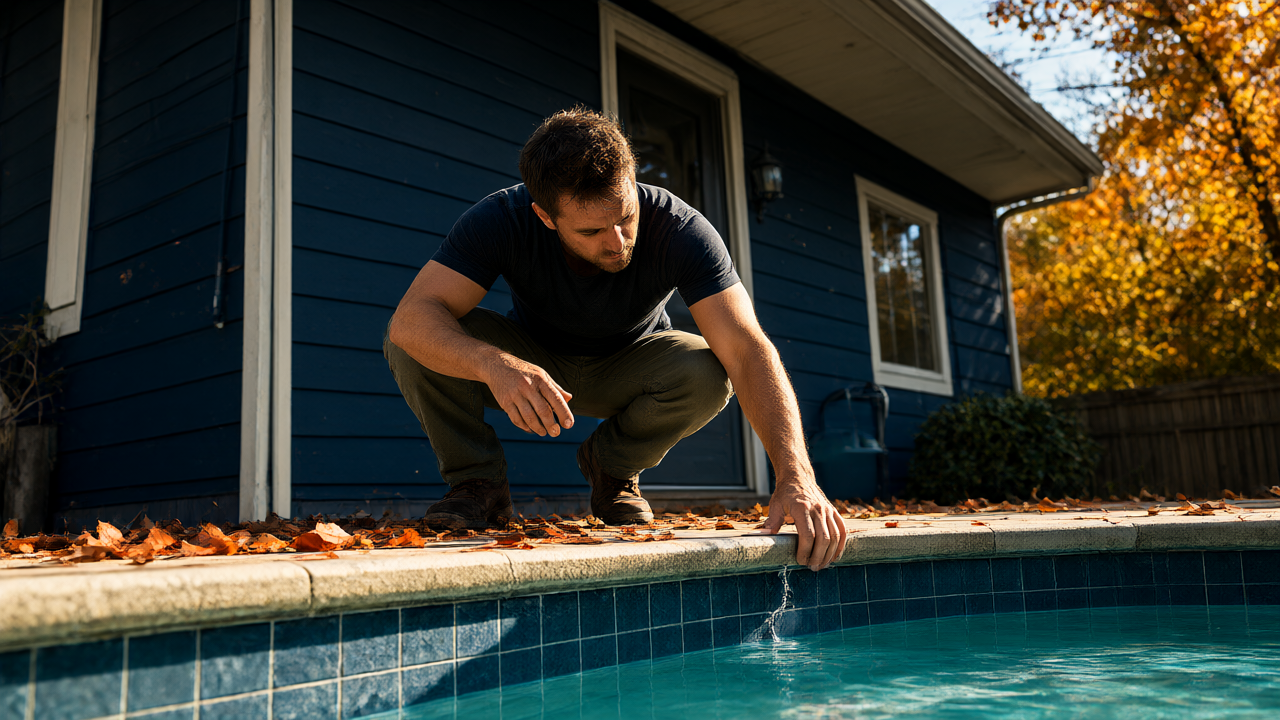
Unusual Water Flow Patterns Indicating Pump or Filter Issues
Water flow is the heartbeat of your pool system. When you turn on your pump, you expect a strong, consistent rush of water through the return jets. If the water coming out of your returns feels weak, sputters, or seems to push air bubbles up into the skimmer, your circulation system is struggling. This is not just about dirty filters; it often points to a failing pump impeller, a clogged suction line, or a blockage in the plumbing that requires mechanical intervention.
In our experience with pool owners across the Greater Houston area, weak water flow is frequently misdiagnosed as a simple filter problem. Homeowners will buy a new cartridge filter or clean their DE grid, only to find the issue persists. The real culprit is often inside the pump basket or the volute, where debris has wrapped around the impeller or a rock has lodged in the plumbing elbow. This restriction forces the pump motor to work harder, leading to overheating and eventual burnout if not addressed quickly.
Check your water flow with this simple test:
- Turn off the pump at the breaker box and wait five minutes for pressure to equalize.
- Open the skimmer drain plug or cleanout cap on a return line.
- Turn the pump back on briefly. If water sprays out of the open port with high pressure, your filter is likely fine, and the restriction is inside the pump or plumbing.
- If no water comes out, your filter media is clogged beyond cleaning, or you have a major blockage in the suction line.
Another sign of circulation failure is air bubbles rising to the surface. This indicates a vacuum leak in the plumbing system, often caused by a dry seal on a valve or a cracked pipe fitting. Air entering the pump prevents it from creating the necessary suction to move water effectively. Without proper circulation, your pool will not clean itself, and chemical distribution becomes uneven. This creates a breeding ground for algae and bacteria that standard brushing cannot remove.
Persistent Chemical Imbalances Signaling Structural Leaks
Chemical balance is the most reliable indicator of water health. If you are constantly adjusting your pH levels or adding chlorine, but the numbers never seem to stabilize, there is a problem with your pool shell. This is often called a "chemical imbalance that won't stay balanced." When you add chemicals to a pool that has a hidden leak, the fresh water you treat immediately mixes with groundwater entering through the crack or plumbing joint. You are essentially pouring money down a drain and fighting a losing battle.
One specific chemical sign of a structural issue is low alkalinity that keeps dropping despite additions. Groundwater in the Houston area often has different mineral content than your pool water. When fresh groundwater enters your pool, it dilutes your chemicals faster than you can add them. This leads to cloudy water and corrosion of metal fixtures like ladders, lights, and skimmer baskets. You might notice rust stains appearing on the plaster or tile line within weeks.
Watch for these chemical red flags:
- pH levels dropping below 7.2 within 48 hours of adjustment.
- Alkalinity readings that fall below 80 ppm despite regular dosing.
- Calcium hardness rising too quickly, which can cause scaling on the pool surface and equipment.
If your water chemistry is erratic, do not just keep adding chemicals. This approach only masks the symptom while the underlying leak grows larger. A professional leak detection service can pinpoint the exact location of the intrusion before it causes structural damage. We have repaired pumps and heaters that were failing because groundwater was washing away the grout around the equipment pad, causing vibration and misalignment.

Algae Growth in Specific Zones Pointing to Circulation Failures
Algae is not just a nuisance; it is a symptom of poor water circulation. You might notice green spots forming only behind the waterfall, under the ladder, or in the deep end corner. These are dead zones where water does not flow freely due to restricted plumbing or a failing pump. When water stands still for more than 12 hours, algae spores settle and begin to grow. This is why brushing the pool surface daily is important, but it cannot fix the root cause if the circulation pattern is broken.
Another type of algae growth appears in specific patterns that reveal plumbing issues. If you see black or dark green algae forming around the return jets, this indicates that the water pressure at those jets is too low to push debris away from the surface. The stagnant water creates a perfect environment for algae to thrive. This often happens when a pump impeller has worn down, reducing its ability to move water with full force.
How to identify circulation dead zones:
- Look for green spots that reappear in the same spot after you brush and shock the pool.
- Check if algae forms only in areas where return jets are facing a wall or corner.
- Notice if the water surface looks calm and glass-like in certain areas, indicating no current is moving through.
Ignoring these specific zones allows the algae to create a biofilm that protects itself from chlorine. You might find yourself adding shock treatments weekly with no lasting effect. This is a sign that the plumbing system needs repair or cleaning to restore proper flow. Professional services in Houston specialize in diagnosing these circulation patterns and fixing the underlying equipment issues.
Strange Noises from Equipment Suggesting Internal Wear
Your pool equipment should run quietly. If you hear grinding, whining, or popping sounds coming from your pump or heater, this is a clear sign of internal wear or mechanical failure. A grinding noise in the pump usually means the impeller is hitting a rock or debris that has bypassed the basket. This can damage the shaft and bearings if not cleared immediately. A whining sound often indicates cavitation, where air bubbles form and collapse inside the pump, causing vibration and potential seal failure.
Heater noises are equally telling. If your heater is making a rumbling or gurgling sound, it could be due to trapped air in the system or sediment buildup at the bottom of the tank. This happens more frequently in 2026 as older heaters reach the end of their lifespan. Sediment can cause overheating and lead to cracked heat exchangers, which is a serious safety hazard. Ignoring these noises until the equipment shuts down completely often results in a much higher repair bill.
Listen for these equipment warning signs:
- Grinding sounds from the pump suggest impeller damage or bearing wear.
- Whining or squealing indicates air leaks or cavitation issues.
- Rumbling from the heater points to sediment accumulation or low water flow.
When you hear these noises, do not wait for the equipment to fail completely. A pump motor that runs hot can seize up within hours if the impeller is blocked. We stock parts on every truck so we can often replace worn components during the same visit. This saves you time and prevents a minor issue from becoming a major system overhaul.
How Pool Bros Diagnoses and Fixes These Issues in Houston
At Pool Bros, we do not just patch problems; we diagnose the root cause. Our technicians arrive with fully stocked trucks containing parts for all major brands including Pentair, Hayward, Jandy, Raypak, Sta Rite, and Waterway. This means that if your pump is making noise or your filter is failing, we can often complete the repair in a single visit. We understand that homeowners in Houston need reliable service that respects their time and budget.
Our diagnostic process starts with a thorough inspection of the pool shell, plumbing, and equipment. We use electronic listening equipment to detect hidden leaks behind walls or under decks. We test water chemistry to identify chemical imbalances caused by groundwater intrusion. We check the pump basket, impeller, and seals for wear and tear. This comprehensive approach ensures we fix the right problem, not just the symptom.
Our repair process includes:
- Diagnostic Visit Scheduled to assess the full scope of the issue.
- Full System Evaluation using pressure testing and dye testing for leaks.
- Repair Plan Presented with clear options and cost estimates.
- Precision Repair Executed by our Certified Pool Operator (CPO) technicians.
- Testing and Verification to ensure the system runs correctly.
- Walkthrough and Warranty provided on all workmanship.
We offer three distinct packages to handle any repair need. The Essential Repair Package covers standard equipment fixes like pump seals and filter replacements. The Comprehensive Repair Package includes leak detection and structural patches for tile lines or small cracks. The Total Restoration Package is for major overhauls involving heater replacement or extensive plumbing rerouting. We also provide seasonal pool opening and closing services to protect your investment during the off-season.
Our team consists of experts like Bryan Ezzell, who specializes in water chemistry balancing and preventative maintenance, and Joshua Naujokas, who has over 12 years of experience in leak detection and repair. Every technician holds valid certifications from the Texas Pool and Spa Association and OSHA Safety Training. We are committed to providing professional services near you that deliver results.
If you live in Houston, Baytown, Bellaire, Deer Park, Galena Park, Jacinto City, Katy, Missouri City, Pasadena, Southside Place, Sugar Land, or West University Place, we are ready to help. We know that a broken pool system disrupts your summer fun and can lead to costly damage if ignored. Do not wait for the leak to get bigger or the pump to seize up.
Do not let a small sign of trouble turn into a major expense. If you see cracked tiles, weak water flow, or strange noises in your pool, contact Pool Bros today. We offer same-day service for urgent repairs and carry the parts needed to fix your equipment quickly. Give us a call, and we will tell you straight up whether it is something you can handle yourself or if you need professional help.


