Digging a hole in Houston soil without hitting a buried pipe is not just an inconvenience; it can destroy your dream pool and cost you thousands. A simple mistake during excavation can sever a gas line or strike a high-voltage cable, leading to explosions or massive electrical fires that insurance companies often refuse to cover. The average homeowner assumes calling 811 handles everything, but in the Houston area, this single step is rarely enough to protect your property when installing a new inground pool.
Why Calling 811 Is Mandatory for Every Pool Installation Project in Houston
You cannot legally break ground on a construction project in Texas without contacting the state's one-call center first. This requirement exists because the underground infrastructure beneath your backyard is far more complex than most residents realize. While calling 811 provides a "marking" of public utility lines, it does not automatically reveal private lines that connect your home to the street grid. These private connections often run directly under the proposed pool area and are invisible on standard utility maps.
When you hire Pool Bros for a new pool installation, we treat the 811 call as the absolute first step in our excavation process. Our team knows that Houston's clay soil is notorious for shifting, which can move pipes over time even if they were marked correctly years ago. We do not rely solely on the colored flags left by utility companies because those markers indicate approximate locations, not exact trench depths. A gas line might be 18 inches deep in one part of the neighborhood and 42 inches deep just a few feet away due to local grading.
Ignoring this step carries severe financial risks that extend far beyond repair costs for a broken pipe. If your contractor hits a utility line, you are liable for all damages regardless of who owns the line. This liability includes the cost to restore the severed infrastructure, potential fines from the utility provider, and any cleanup required after soil contamination. The best practice is to treat the 811 mark as a warning sign rather than a green light to dig immediately. It tells you where the public lines are, but it leaves a dangerous blind spot for private connections that your specific home uses.
Hidden Risks: Gas Lines, Sewers & Power Cables Under Your Backyard Soil
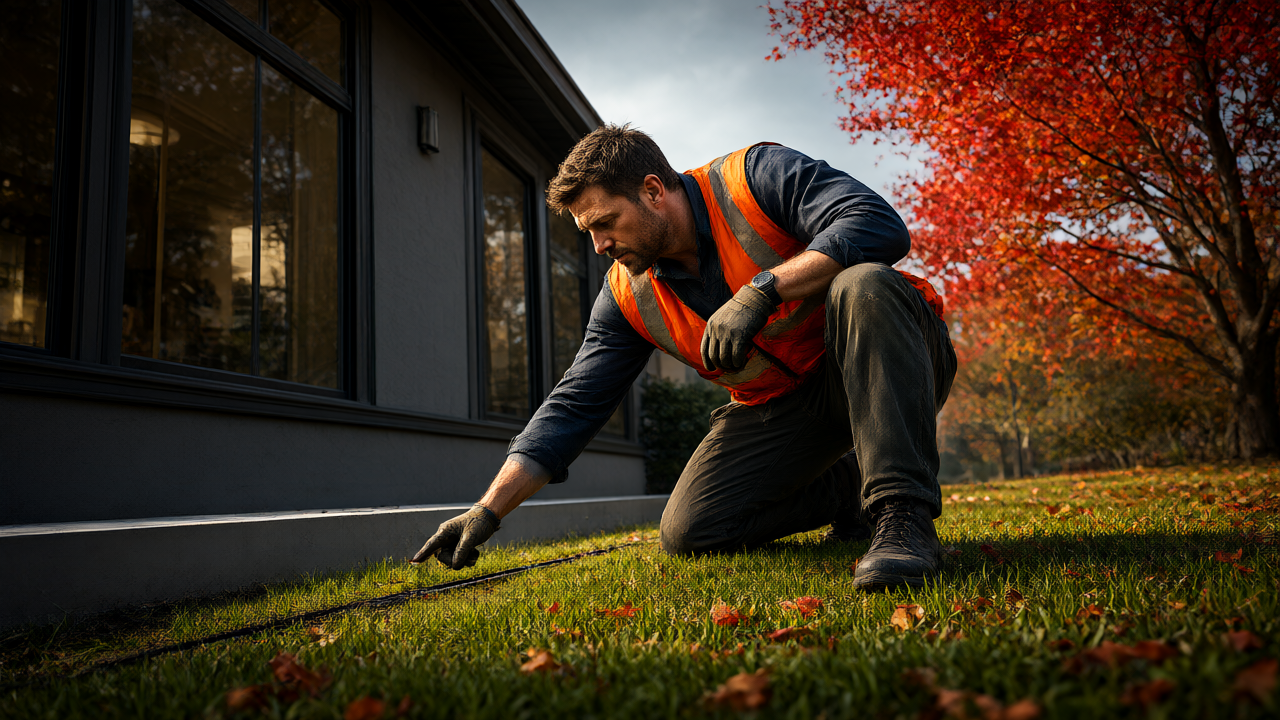
The soil beneath a typical Houston backyard hides a network of critical infrastructure that poses immediate danger if disturbed. Natural gas lines often run at shallow depths to minimize excavation costs for the utility companies, making them vulnerable during pool construction. A single impact can cause a gas leak that ignites instantly from a spark generated by the excavation equipment or even static electricity. The smell of rotten eggs is not always present immediately after a rupture, and the pressure drop in your home's gas appliances might not trigger an alarm until it is too late.
Sewer lines present a different kind of threat because they carry waste water under high pressure from the main line to your home. Striking a sewer pipe during excavation can flood your new pool shell with raw sewage before you realize what has happened. This contamination makes the pool unusable and requires expensive remediation to sanitize the concrete structure and plumbing system. Furthermore, hitting a private electric cable can shut down power to your entire house or cause an arc flash that injures workers on site.
Another hidden risk involves telecommunication lines like fiber optics or copper cables that carry high-speed internet and television signals. While these are less dangerous than gas or electricity, severing them disrupts household services for days while repairs are made. The cost of relocating a private sewer line is often significantly higher than the cost of moving the pool deck or adjusting the excavation depth. Homeowners frequently underestimate the value of these underground systems and assume that because they look like dirt from above, they are harmless to dig through.
How to Verify Utility Locations Before Breaking Ground on a New Pool
Verification goes beyond simply waiting for the utility company's markers to appear. You must actively inspect the site with your contractor to understand exactly where every line sits relative to your proposed pool design. Start by reviewing your home's original blueprints and any previous excavation records that might show where private lines enter your property. These documents often indicate the path of the sewer lateral or gas service line from the street to your foundation. Pool Bros technicians use this historical data to cross-reference with the utility markings left after the 811 call.
Ask your general contractor to perform a visual inspection of the yard for clues about underground utilities. Look for access points like cleanout covers, valve boxes, or meter stations that indicate where lines enter your home. These physical markers often align with the path of the utility lines running under the grass. If you see a valve box near the edge of your property line, there is likely a gas or water line running parallel to it underground. Use this visual evidence to adjust your pool design so that excavation stays well clear of these known entry points.
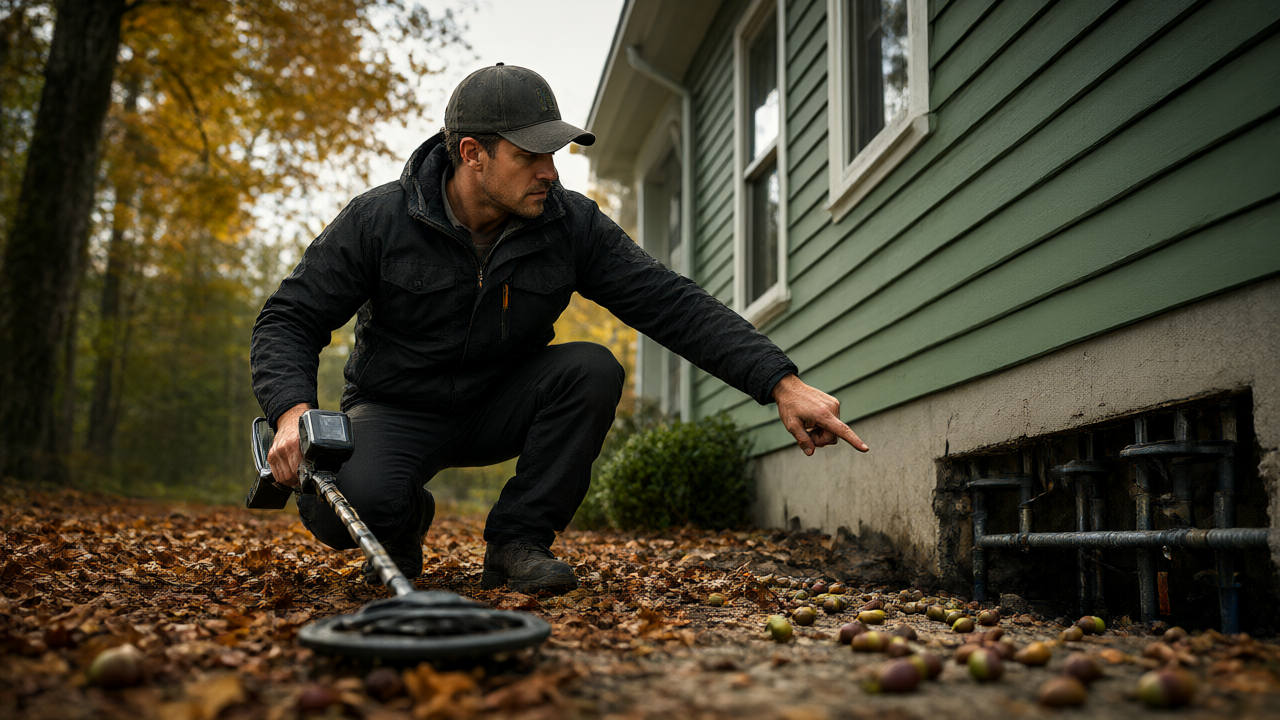
Consider hiring a private utility locating service if the standard 811 markings are unclear or incomplete. Private locators use advanced ground-penetrating radar and electromagnetic induction equipment to map out both public and private lines with much higher precision than flagging alone. This extra step costs money upfront but saves you from catastrophic errors during excavation. Pool Bros recommends this approach for any project where the pool location is close to existing structures or underground features that were not marked by the utility company.
Cost Implications of Utility Relocation vs. Shifting Your Dig Site
The financial impact of hitting a utility line far outweighs the cost of redesigning your pool layout. Relocating a gas line or sewer pipe can run into thousands of dollars, plus the time required to wait for permits and schedule repairs. If you hit a line during excavation, the project stops immediately until repairs are made, which delays your pool opening by weeks or even months. Shifting your dig site slightly to avoid these lines is often a much cheaper solution that keeps the project on schedule and within budget.
Relocating utility lines requires specialized crews who must shut off service temporarily while they work. This disruption affects your home's daily life and can lead to additional costs for temporary power or gas rerouting. In contrast, adjusting the pool design to sit further from the property line or existing structures avoids these complications entirely. Pool Bros helps homeowners evaluate the cost-benefit trade-off before breaking ground by mapping out the safest excavation zones based on known utility locations.
Insurance companies often deny claims related to utility damage if proper precautions like calling 811 were not taken. This means you could be personally responsible for all repair costs if an accident occurs during construction. By taking the time to verify utility locations and adjust your design accordingly, you protect yourself from these massive financial risks. Pool Bros includes a thorough site review as part of our Essential Inground Pool Build package to ensure that excavation happens in safe zones.
Frequently Asked Questions
Do I really need to call 811 before my pool is installed?
Yes, calling 811 is a legal requirement for any excavation project in Texas and Houston. It marks public utility lines to prevent accidental strikes during digging. While it does not show private lines, it is the mandatory first step that protects you from liability and ensures safety.
How much does it cost to relocate a gas line under my pool?
Relocating a gas line can cost between $2,000 and $5,000 depending on the distance and depth required. This expense often exceeds the savings from moving your pool deck slightly. It is far more economical to adjust your excavation site to avoid the existing line.
Can I trust the colored flags left by utility companies?
You should treat the colored flags as approximate guides, not exact boundaries. Utility companies mark general areas where lines might exist, but private lines can run directly under the pool without being marked. Always verify with your contractor and consider a private locator for extra safety.
What happens if I hit a sewer line during excavation?
Hitting a sewer line causes immediate flooding of raw sewage into your pool shell, requiring costly cleanup and remediation. The damage can render the pool unusable until the plumbing system is repaired and sanitized. This scenario often leads to significant delays and unexpected expenses that could have been avoided.
Pool installation in Houston requires careful planning to avoid hidden underground risks. If you are ready to build a custom inground pool that lasts for decades, Pool Bros handles the entire process from design to final walkthrough. Our team of certified technicians ensures your excavation stays safe and within budget. Contact us today to schedule a site review and get started on your dream backyard oasis.