

Houston pools lose water every single day, and most of that loss is completely normal. A pool in Katy or Sugar Land can shed a quarter inch to a half inch of water per day in July from evaporation alone, which adds up to nearly a foot a month if nobody tops it off. The problem is that a real leak looks almost identical at first. By the time a homeowner notices the waterline dropping below the skimmer, they have often been losing 1,000 to 3,000 gallons a week for a month or more. Pool Leak Detection in Houston starts with one honest question: is this evaporation, or is something failing underground? Here is how to tell the difference without guessing.
Evaporation vs. Leak: The Bucket Test Explained
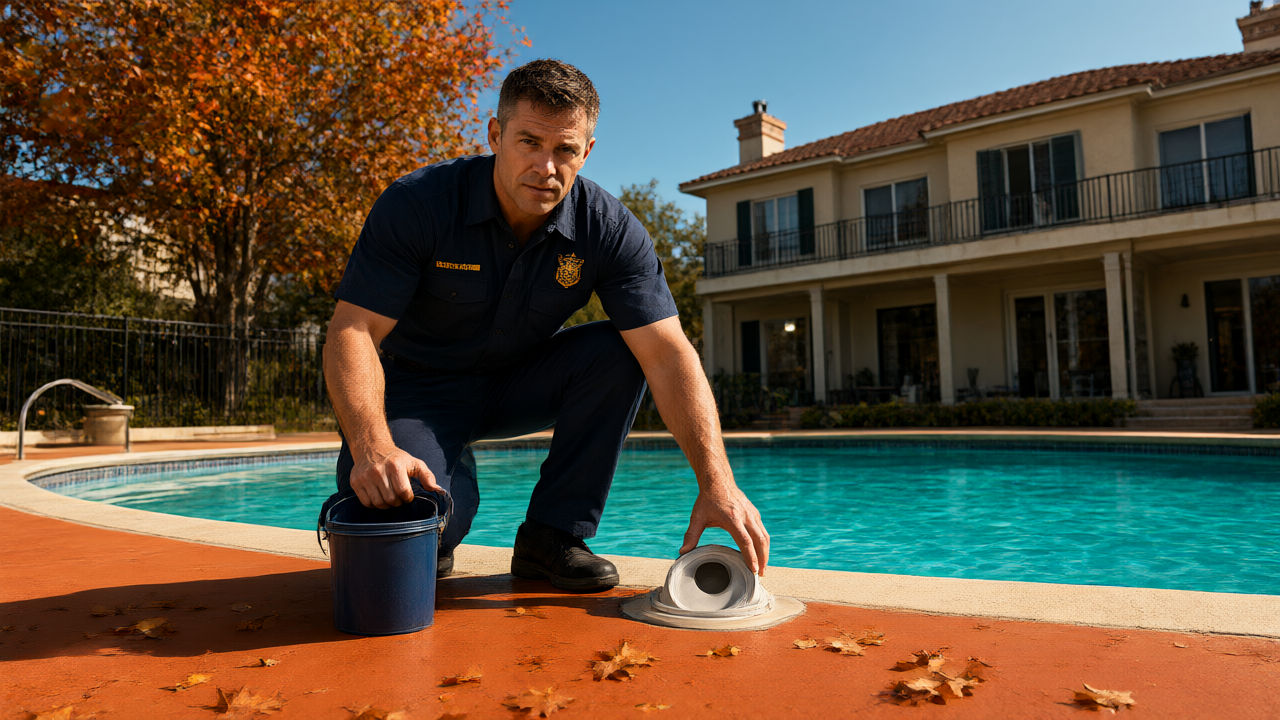
Every pool owner in Houston should know the bucket test. It is free, it takes 24 hours, and it separates ordinary evaporation from a genuine structural or plumbing problem. Fill a five gallon bucket with pool water and set it on the first or second step so the rim sits above the pool surface. Mark the water level inside the bucket and mark the pool level at the same time. Run the pump as you normally would for a full day, then compare both marks.
If the pool dropped the same amount as the bucket, you are looking at evaporation. If the pool dropped twice as much or more than the bucket, you have a leak. A third scenario matters too: if the pool loses water only when the pump is running, the leak is almost certainly on the pressure side, meaning the return lines. If it loses water with the pump off, suspect the suction side or the shell itself. That single detail narrows the search before anyone picks up a tool.
Houston's climate makes this test trickier than it sounds. Our humidity swings hard, and a breezy day in March can pull a half inch out of a pool while a still, muggy August day loses almost nothing. Run the bucket test twice, on two different days, before you call anyone. If both tests point to a leak, you have real evidence instead of a hunch. One more thing: a pool that needs topping off every two or three days in summer is not automatically leaking. A pool that needs it every day, or drops overnight, usually is.
5 Signs Your Pool Is Leaking (Beyond Water Level)
Water level is the obvious clue, but it is rarely the first one. These five signals show up in Houston pools constantly, and each one points toward a different part of the system.
- 1. Cracks or settling around the deck and shell. Hairline cracks in the plaster are cosmetic. Cracks wider than a credit card, or a deck that has dropped a quarter inch or more, suggest movement underneath and often a leak at the skimmer throat or return fittings.
- 2. Soggy spots or sinkholes in the yard. A permanently wet patch of grass 10 to 20 feet from the pool, especially between the pool and the equipment pad, usually means an underground return or main drain line is leaking. This is the most expensive kind to ignore because it undermines the deck and can wash out backfill.
- 3. Air in the pump basket or a pump that keeps losing prime. Bubbles entering the pump strainer or jets that sputter point to a suction side leak, often at the pump lid O ring, a valve, or the skimmer line. This is usually the cheapest leak to fix and the easiest to test yourself.
- 4. Higher chemical use and cloudy water. A leak forces fresh water into the pool, which dilutes chlorine and shifts pH and alkalinity. If your chemicals suddenly cost 30 to 50 percent more per month and the water stays hazy, water loss is a likely culprit.
- 5. Algae or staining in one specific spot. A persistent green patch or a rust colored stain near a light niche, skimmer, or return fitting usually means fresh water is seeping through that spot. The stain or algae bloom is the leak announcing itself.
One more warning that does not fit neatly in the list: if the water stops dropping at exactly the level of the skimmer or the light, that is a huge diagnostic clue. The pool is telling you where the hole is. Note that level before you add water, because it saves an hour of testing.
How Pros Find Hidden Leaks: Dye Testing, Pressure Testing, and Electronic Detection
Finding a leak is detective work, and the best technicians in Houston follow a sequence rather than digging blindly. At Pool Bros, the process starts with an initial water loss assessment, then moves to system wide pressure testing, acoustic listening detection, dye testing and visual inspection, and finally a written findings report before any repair begins. That order matters because it isolates the leak before anyone cuts concrete.
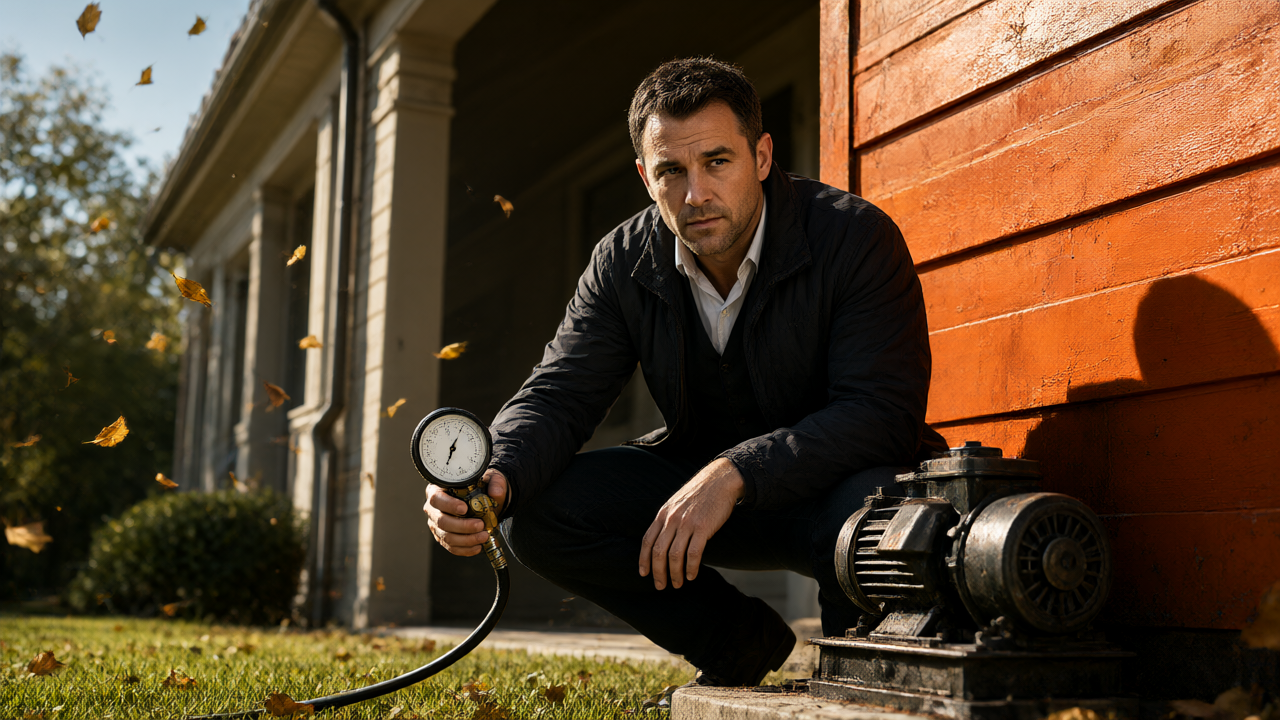
Pressure testing is the workhorse. Technicians plug the lines and pressurize each one separately, watching for a gauge drop that identifies which line is failing. Acoustic listening equipment picks up the hiss or gurgle of water escaping through soil or concrete, which is how a leak 18 inches under a deck gets located within a few feet. Dye testing is the final confirmation: a small amount of dye near a suspected crack, light niche, or skimmer throat gets pulled into the leak, showing the exact entry point. Combined, these three methods find the vast majority of leaks without tearing up landscaping.
This is where experience separates a real leak detection visit from a guess. A technician who has worked hundreds of Houston pools knows that gunite shells in our clay soil move with wet and dry seasons, that skimmer throats are a frequent failure point, and that equipment pad valves fail quietly. A typical detection appointment runs one to two hours, and you should leave with a report showing what was tested, what was found, and what repair is recommended. If a company cannot tell you where the leak is and how they proved it, keep looking.
What Pool Leak Repair Costs in Houston in 2026
Costs vary with where the leak is and how much access it requires, but Houston pricing in 2026 is fairly predictable. Leak detection itself typically runs $250 to $450 for a standard residential pool, with larger pools or multiple suspected leaks pushing toward $600. That fee is diagnostic, not repair, and it is money well spent because it prevents a $3,000 excavation in the wrong spot.
Repair pricing breaks down by location. A suction side leak at the pump lid, valve, or skimmer is usually $150 to $400. A return line leak under the deck often runs $500 to $1,200 because it requires cutting and patching concrete. A main drain or underground line leak can reach $1,500 to $3,500 depending on depth and access. Structural cracks in the shell that need epoxy injection or plaster repair typically fall between $600 and $2,000. If the leak has been running long enough to undermine the deck, add deck repair on top.
The honest math: a $350 detection visit that finds a $250 skimmer repair saves you from topping off 2,000 gallons a week, which in Houston runs roughly $15 to $25 per week in water and another $40 to $60 per month in extra chemicals. The leak pays for its own repair within a few months. Waiting is the expensive choice.
When to Call a Pro vs. DIY: A Decision Guide
Plenty of leak checks are safe to do yourself, and Pool Bros would rather tell you that than sell you a visit you do not need. Work through this checklist first.
- Do the bucket test twice. If the pool and bucket drop the same amount, stop here. You have evaporation, not a leak.
- Check the obvious. Look at the pump lid O ring, the valves, the skimmer throat, and the light niche. A cracked O ring or a loose valve can be replaced for under $30.
- Look for air in the system. Bubbles in the pump basket with the pool level normal usually mean a suction leak you can often fix at the lid or a union.
- Watch the water level when the pump is off. If the pool holds steady overnight with the pump off but drops when it runs, the leak is on the pressure side and needs professional testing.
Call a professional when the water drops more than an inch a day, when you see a wet spot in the yard, when the water stops dropping at a suspicious level, or when the bucket test confirms a leak you cannot trace. Do not start digging. Do not let anyone pressure you into resurfacing before the leak is located. And ask three questions before hiring: How will you test the lines? Will I get a written report? Are you licensed and insured in Texas? A good company answers all three without hesitation.
If you are in Houston, Bellaire, Katy, Sugar Land, Pasadena, or anywhere across the metro and the bucket test says leak, Pool Bros handles this exact work. Their team uses pressure testing, acoustic detection, and dye testing to locate the problem before anyone cuts concrete, and they will tell you straight if the issue is something simpler. Call and describe what you are seeing. They will tell you whether it is worth a visit or something you can fix yourself in ten minutes.
Frequently Asked Questions
How do I know if my pool has a leak or if it is just evaporation?
Run the bucket test. If the pool loses noticeably more water than the bucket over 24 hours, it is a leak. Houston's summer evaporation can hit a half inch per day, so compare the two levels rather than watching the pool alone.
Where do pool leaks most commonly happen?
The most frequent spots are the skimmer throat, return line fittings, light niches, and the pump and valve area at the equipment pad. Underground return lines are the most common hidden leak in older Houston pools.
How long does a professional leak detection visit take?
Most appointments run one to two hours. You should receive a findings report identifying the leak location and a recommended repair, and the technician should explain how each test confirmed the result.
Can a pool leak fix itself or be ignored?
No. Small leaks get bigger as water erodes soil and backfill, and a $300 repair can become a $3,000 excavation within a season. Fixing it early is almost always the cheaper path.

