By the first week of November, the air in West University Place drops below 70 degrees, and your pool pump becomes a liability rather than an asset. Leaving water in the plumbing lines or equipment pads during the Houston winter invites freezing temperatures to crack pipes and freeze pumps, leading to repairs that typically cost between $1,500 and $4,000. You do not need a professional for every single task, but you absolutely cannot afford to ignore the specific risks associated with our local climate. Pool Bros has spent over a decade handling these exact scenarios in West University Place, and we are here to tell you that skipping winterization is a gamble you will lose.
Why West University Place Homeowners Must Winterize Before Fall 2026
The decision to winterize your pool in West University Place is not just about aesthetics; it is about protecting the mechanical heart of your backyard oasis. Many homeowners assume that because Houston winters are mild, their equipment can simply sit idle until spring. This is a dangerous misconception. While we rarely see snow or ice, our region experiences significant temperature swings. A night in late October or early November can dip below 40 degrees, and if you have a pump located near the ground or an exposed skimmer line, that cold air is enough to freeze water inside the pipes. Once water freezes, it expands with tremendous force, shattering PVC fittings and cracking concrete.
Furthermore, standing water in your pool becomes a breeding ground for algae and bacteria if the circulation system stops moving. Without the chemical balance maintained by your Pool Pump Repair or filtration systems, stagnant water turns green within days, even without direct sunlight. This means that when you finally turn on your pump in March 2027, you are not starting fresh; you are fighting a battle against months of accumulated growth. The cost to fix a frozen pipe is high, but the cost to shock a neglected pool in the spring is often higher because you have to re-establish water chemistry from scratch.
There is also the issue of debris. Fall brings leaves and organic matter from the surrounding trees in neighborhoods like Bellaire or Deer Park. If your cover is not secured tightly before the first major storm, wind can drive these leaves into your skimmer basket or pump strainer. A clogged skimmer during winterization traps water inside the equipment pad. When that water freezes, it creates a pressure point that can pop out the pump lid or crack the filter housing. Pool Bros technicians know exactly where to check for these weak points because we have seen them fail repeatedly in West University Place homes that were left unprepared.
Step-by-Step Guide to Draining and Protecting Your Pool Equipment
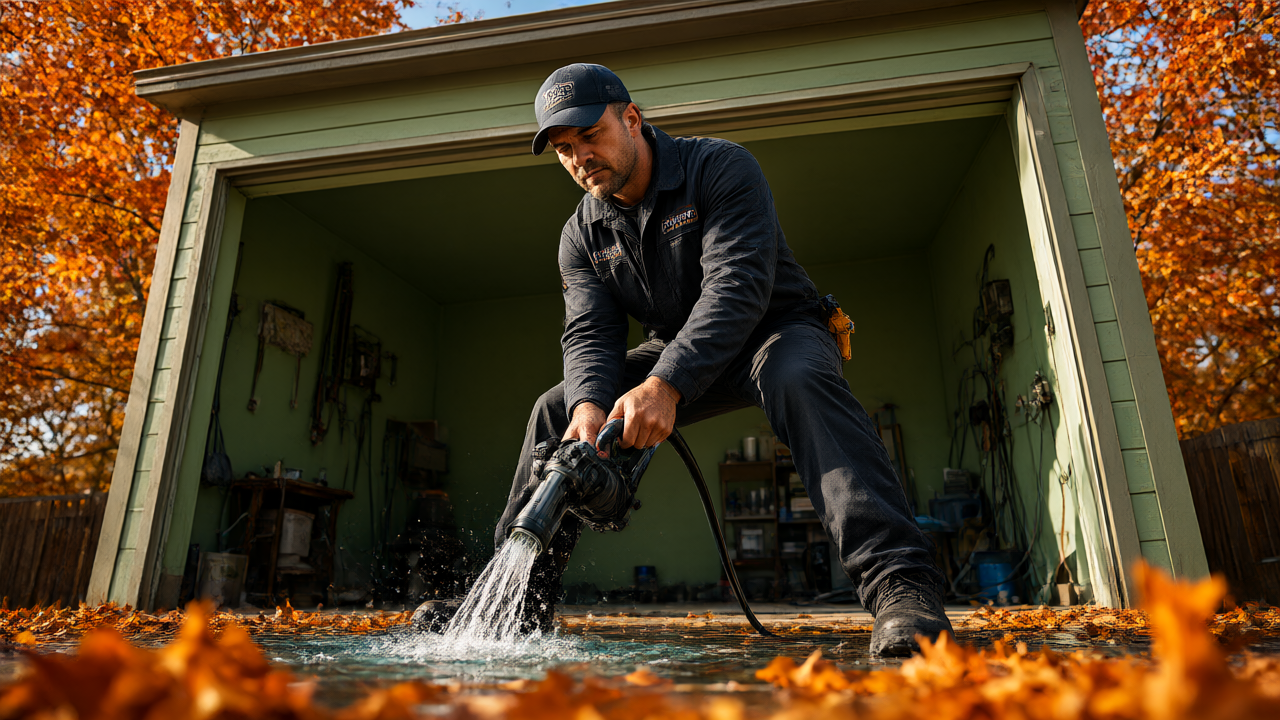
Winterizing is not a single task; it is a process that requires attention to detail. You can attempt this yourself, but you must understand the mechanics of your system to avoid damage. The first step involves draining all water from the plumbing lines connected to your pump and heater. This is often overlooked by DIYers who simply drain the pool itself but leave the pipes full. To do this correctly, you must use a blow-out kit or an air compressor to force air through the skimmer and main drain lines until only a few drops of water remain in the fittings. If you skip this step, a freeze will turn your plumbing into a minefield of shattered joints.
Next, you must address the equipment pad. This is where most winterization failures happen because homeowners fail to disconnect the pump and heater from their power sources. Before you cover the pool, ensure the main breaker for your Pool Heater Repair system is switched off. Leaving a heater plugged in with no water circulating can cause internal components to overheat or corrode due to stagnant water chemistry. Additionally, remove any ladder rungs or skimmer baskets that might trap water and freeze. These metal parts expand when frozen and can warp the surrounding concrete or crack the pool shell if left in place.
The final mechanical step is protecting your filter system. Whether you use a sand, DE, or cartridge filter, you must drain the water from the filter housing itself. If you leave water inside the filter tank, it will freeze and crack the internal grid or the housing lid. Once drained, cover the equipment pad with a tarp to keep rain and snow out of the machinery during the winter months. This simple barrier prevents debris from entering the system and keeps the area dry. Pool Bros technicians perform these checks meticulously because we know that one small oversight can lead to thousands in damage.
How to Secure Your Pool Cover Against Houston Storms in Late 2026
Securing your pool cover is arguably the most critical step for a West University Place homeowner. Our region is known for sudden, high-velocity storms that can lift lightweight covers like sails. If your cover is not anchored properly, it will catch the wind and pull against the pool walls. This tension can crack the plaster or damage the coping stones around the edge of the pool. You must use a solid winter cover designed to hold water weight and anchor points that are buried deep into the surrounding soil.
When installing your cover, ensure you use heavy-duty sandbags or water-filled bags at every anchor point. Do not rely on just a few bags; distribute them evenly around the perimeter of the pool. If you live near a flood zone or have low-lying property, consider adding extra weight to prevent wind from lifting the cover during a severe storm. A loose cover is also a safety hazard for children and pets who might accidentally step onto it while trying to reach the water. Properly secured covers act as a barrier against falling branches and debris, keeping your pool area safe throughout the winter.
Finally, check your skimmer baskets and pump strainer one last time before leaving. Clear out any leaves or twigs that might have blown in during the fall. A clogged basket can cause water to back up into the pool or freeze inside the equipment housing. If you are unsure about which winterizing products to use, such as vinyl covers versus solid covers, consult with a professional. Pool Bros offers Pool Inspection services that include a review of your cover anchoring system. We can tell you if your current setup is sufficient for a Houston winter or if it needs upgrading before the first freeze hits.

Frequently Asked Questions
Do I really need to winterize my pool if Houston winters are mild?
Yes, you still need to winterize because temperatures can drop below freezing at night, which is enough to crack pipes and freeze pumps. Leaving water in your plumbing lines creates a risk of expensive damage that mild weather does not eliminate.
Can I do this myself or should I hire Pool Bros?
You can do basic tasks like adding chemicals, but draining plumbing lines and securing covers requires specific tools and knowledge to avoid mistakes. Hiring Pool Bros ensures your equipment is handled by certified technicians who know the local West University Place climate risks.
What happens if I forget to winterize my pool heater?
If you leave water in your heater lines, it will freeze and expand, potentially cracking the heat exchanger or damaging the pump motor. This type of repair often costs thousands of dollars and can render the heater unusable until spring.
How much does professional winterization cost compared to DIY?
Professional winterization typically costs between $200 and $400, which is far less than the potential repair bills for a frozen pipe or cracked pump. It also saves you time and ensures no steps are missed during the critical process.
If you are a homeowner in West University Place preparing your pool for the 2026 winter, do not leave this to chance. Pool Bros provides expert Pool Maintenance and Winterization services that protect your investment from freezing temperatures and storm damage. Give us a call today so we can secure your pool before the first frost hits.