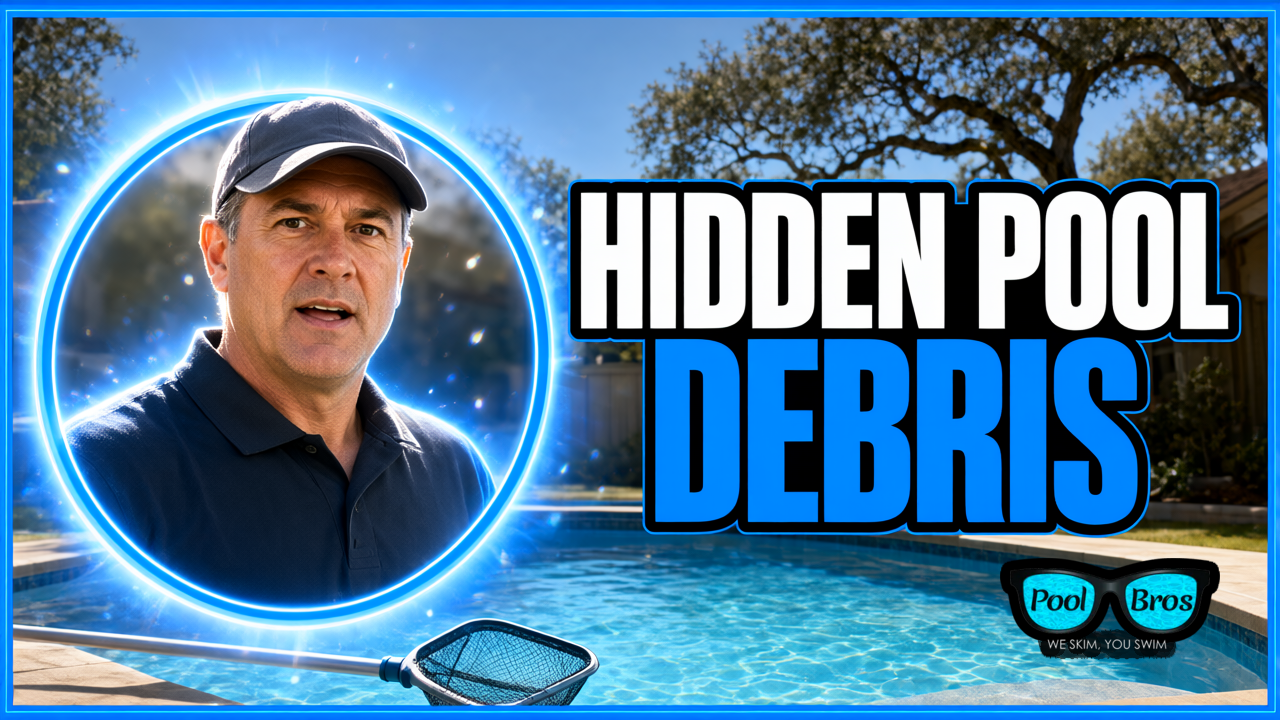
A single strong Houston thunderstorm can dump two to four inches of rain in under an hour, and that runoff carries everything from roof grit to lawn fertilizer straight into your pool. The water can go from crystal clear at 8 a.m. to a green, cloudy soup by dinner. If you are staring at a murky pool right now and wondering whether it is salvageable, here is the honest breakdown of post-storm Pool Cleaning in Houston, what you can handle yourself, and when it is time to call someone.
I have spent the last two decades working on pools across the Houston area, from Bellaire bungalows to the big backyard setups out in Katy and Sugar Land. The storms never surprise me. What surprises me is how many homeowners drain their pools, over-shock them, or spend $400 on chemicals before realizing the real problem is a clogged impeller or a broken skimmer basket. Let's walk through it the right way.
Why Houston Storms Wreck Pool Water Overnight
Houston's storm water is not just rain. It is a chemical cocktail. As it sheets off your roof, it picks up asphalt shingle granules, bird droppings, and whatever your neighbor sprayed on their lawn last weekend. When it runs across concrete and landscaping, it collects phosphates, nitrates, and fine silt. All of that ends up in your pool, and phosphates are essentially fertilizer for algae.
Combine that nutrient load with the fact that a storm drops your chlorine level almost instantly, and you have the perfect breeding ground for green water. Rain itself is slightly acidic and dilutes your stabilizer (cyanuric acid), which means your existing chlorine gets burned off faster by the sun once the clouds clear. The water temperature also drops a few degrees, then rebounds, and that temperature swing stresses the chemistry further.
There is a second problem most people miss: debris loading. A Houston downpour knocks leaves, twigs, and palm fronds into the pool, and much of that sinks rather than floats. If it sits on the floor for more than 24 to 48 hours, it starts staining the plaster and feeding algae directly. That is why the first 48 hours after a storm matter more than the next two weeks combined.
Most green pools I see in the Houston area were not caused by the storm itself. They were caused by waiting three or four days before anyone touched the water.

Post-Storm Pool Cleaning Checklist: Skim, Shock, and Balance
Here is the exact sequence our technicians follow after a storm. Do it in this order and you will save yourself a lot of wasted chemicals.
- Skim the surface first. Use a leaf net, not the automatic cleaner, and pull out everything floating. Empty the skimmer baskets and the pump basket before you do anything else. Running a pump with a full basket starves the motor and can burn it out in minutes.
- Brush the walls and steps. Algae clings to plaster, tile lines, and light niches. Brushing loosens it so your filter can actually capture it.
- Vacuum the floor on waste, not filter. After a storm, there is usually heavy silt on the bottom. If you vacuum that into the filter, you will clog it in one pass. Set the multiport valve to waste and send that dirty water out of the pool.
- Test the water before you shock. You need actual numbers for free chlorine, pH, alkalinity, calcium hardness, and cyanuric acid. Do not guess.
- Shock with the right dose. For a moderately cloudy pool, most Houston homeowners need 1 to 2 pounds of calcium hypochlorite per 10,000 gallons. For a green pool, you are looking at 2 to 3 pounds per 10,000 gallons, and you may need to repeat it 12 hours later.
- Run the pump 24 hours straight. Not 8 hours. Not 12. Twenty-four, until the water clears. Then back to your normal schedule.
- Re-test and rebalance after 24 hours. pH should land between 7.4 and 7.6, alkalinity between 80 and 120 ppm, and free chlorine between 2 and 4 ppm for a normal pool.
One thing that trips people up: do not add shock and algaecide at the same time. The algaecide can actually consume the chlorine and leave you with nothing. Shock first, wait a full day, then treat for algae if you still see green.
If your pool has a cartridge filter, plan on cleaning or replacing the cartridge after a heavy storm. In Houston, that is often a $40 to $90 part, and it is the difference between clear water and a pool that stays cloudy no matter how much chlorine you throw at it.
When to Call a Pro: Debris, Cloudy Water, and Equipment Damage
You can handle most light storms on your own. But there are clear signals that you are past the DIY stage, and pushing through them usually costs more money than calling for help.
Call a professional if any of these are true:
- The pool has been cloudy or green for more than 72 hours after you shocked it.
- The pump is making grinding, whining, or rattling noises, or it will not prime.
- You see standing water around the equipment pad, or the ground near the pool is soggy when it has not rained.
- There is visible damage to the skimmer, the light housing, or the plaster.
- Your water level dropped more than an inch in 24 hours with the pump off.
That last one is the sneaky one. A storm can shift the soil around your pool and crack a return line or the shell itself. Pool Bros offers Pool Leak Detection using pressure testing, dye testing, and electronic listening equipment, and it is worth every penny before you start refilling a pool that is losing water through a break you cannot see.
If the pump is the problem, Pool Pump Repair is usually a same day call in the Houston area, and most of the time the fix is a capacitor, a seal, or a clogged impeller rather than a full replacement. A new pump runs $900 to $1,800 installed, so it is worth having someone diagnose it before you assume the worst. Same story with Pool Filter Replacement and Pool Heater Repair. A lot of what looks like storm damage is actually a worn part that the storm just pushed over the edge.
Here is the honest part most pool companies will not tell you. If your pool is only lightly cloudy, your chemistry is close, and your equipment is running, you do not need to pay for a service call. Shock it, run the pump, and give it 48 hours. Save the professional visit for the problems that actually need professional tools.

Preventing Storm Damage Before the Next Houston Downpour
Houston gets roughly 50 inches of rain a year, and most of it arrives in bursts between May and October. You cannot stop the storms, but you can make your pool a lot more resilient.
Before the next big system rolls in, do these four things:
- Trim back overhanging branches. If a limb is within 10 feet of the water, it is going to drop debris into your pool every single storm. Trim it in the spring, not after the damage is done.
- Clear your deck drains and gutters. Water that cannot drain away from the pool deck ends up in the pool. That is how you get a flooded skimmer and a pump that loses prime.
- Balance your chemistry before the storm, not after. A pool with proper chlorine and stabilizer levels recovers in a day. A pool that was already low takes a week.
- Do not drain the pool. This is the single most expensive mistake homeowners make. An empty pool in Houston's clay soil can literally pop out of the ground. Never drain a pool to clean it after a storm.
If you want to skip the post-storm scramble entirely, a weekly Pool Cleaning plan keeps your water balanced and your equipment in shape all year. Pool Bros runs three tiers, from Essential Weekly Care up to Premium Total Protection, and the difference between them is mostly how much chemistry monitoring and equipment attention you want included. For most Houston pools, the middle tier, Standard Complete Care, is the sweet spot.
One more local note. Houston's clay soil expands and contracts hard with every wet and dry cycle, and that movement is brutal on pool plumbing and equipment pads. If your pool is more than 15 years old, it is worth having a Pool Inspection done once a year, ideally in the spring, so you catch a small crack before it becomes a $6,000 repair.
Frequently Asked Questions
How soon after a storm should I clean my pool in Houston?
Start within 24 to 48 hours. Skim the surface and empty the baskets first, then shock and run the pump for a full 24 hours. The longer debris sits on the floor, the more likely you are to get staining and an algae bloom that takes a week to clear.
Can I just shock my pool and skip everything else after a storm?
No. Shock alone will not fix a pool full of silt and debris. You have to physically remove the solids first, or the chlorine gets consumed fighting organic material instead of sanitizing the water. Skim, brush, vacuum on waste, then shock.
How much does post-storm pool recovery cost in Houston?
If you do it yourself, expect $60 to $150 in chemicals for a moderately dirty pool. A professional green-to-clean recovery in the Houston area typically runs $250 to $600 depending on pool size and how far gone the water is, and that includes the chemicals.
What should I look for when choosing a pool company in Houston?
Ask whether the technicians are Certified Pool Operators, whether they are licensed through the Texas Department of Licensing and Regulation, and whether they carry insurance. Also ask what is actually included in a weekly visit. If the answer is vague, keep looking.
If your pool is still green three days after the storm, or your pump is making a noise it should not be, Pool Bros handles exactly this kind of thing across Houston, Bellaire, Katy, Sugar Land, Pasadena, and the surrounding areas. Their technicians, including Bryan Ezzell and David Rivas, have more than 30 years of combined experience with storm recovery and equipment repair. Give them a call. They will tell you straight whether it is something you can fix yourself or something that needs a truck in your driveway.