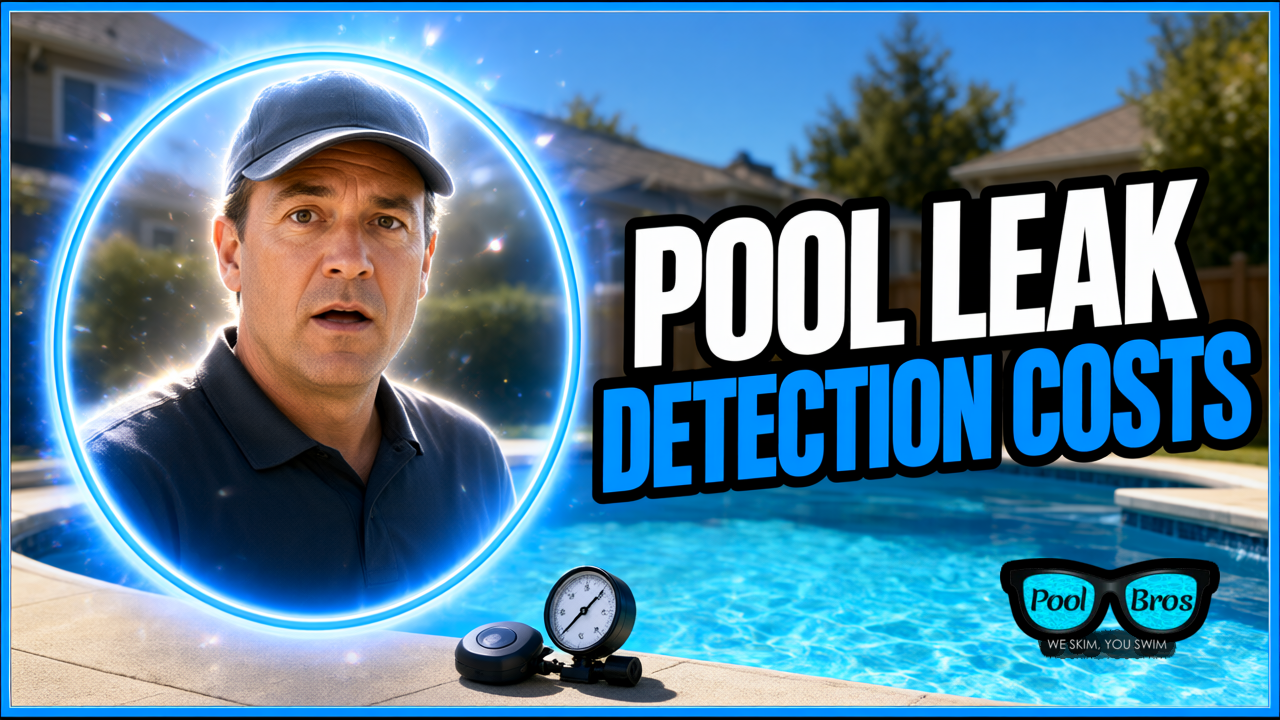
A Pool Leak Detection in Houston typically runs $250 to $450 for a standard residential pool. That's the number most homeowners never hear until they've already paid a company to hunt for the leak, then paid again to fix it. The price swings based on what's actually leaking, and the difference between a $200 skimmer leak and a $900 underground plumbing break is entirely in the diagnosis. Here's what the 2026 pricing actually looks like, broken down by leak type, so you can budget before anyone shows up with a listening device.
How Pool Leak Detection Pricing Works in Houston: Flat Fee vs. Hourly
Most Houston pool companies have moved to a flat fee for leak detection, and that's generally good news for homeowners. A flat fee means the company eats the cost if the leak is stubborn. Hourly pricing sounds cheaper on the phone, but a tricky leak in an older Bellaire pool can burn through four hours of diagnostic time at $95 to $125 per hour, and you're the one holding the invoice.
The flat fee model in the Houston area usually breaks into three tiers. A basic screening, which confirms whether you actually have a leak versus normal evaporation, runs $150 to $225. Standard leak location, where the technician pressure tests the plumbing, dye tests the skimmer and light niche, and uses acoustic listening equipment, runs $275 to $450. Premium leak resolution, which includes a written findings report and coordination with the repair crew, runs $450 to $650. Pool Bros structures their Pool Leak Detection service around those three packages: Basic Leak Screening, Standard Leak Location, and Premium Leak Resolution.
Hourly pricing still exists, mostly with smaller operators and handyman style outfits. If you get quoted hourly, ask for a cap. A reputable company will tell you the maximum you'll pay before they start. If they won't cap it, that's a red flag. The other pricing trap: some companies advertise "free leak detection" and then make it back on the repair. That's not a scam by itself, but you should ask whether the detection fee is credited toward the repair if you book it the same visit. Many Houston companies, Pool Bros included, will apply the detection fee to the repair cost when you move forward with them.
2026 Cost Breakdown by Leak Type: Liner, Plumbing, Skimmer, and Light Niche
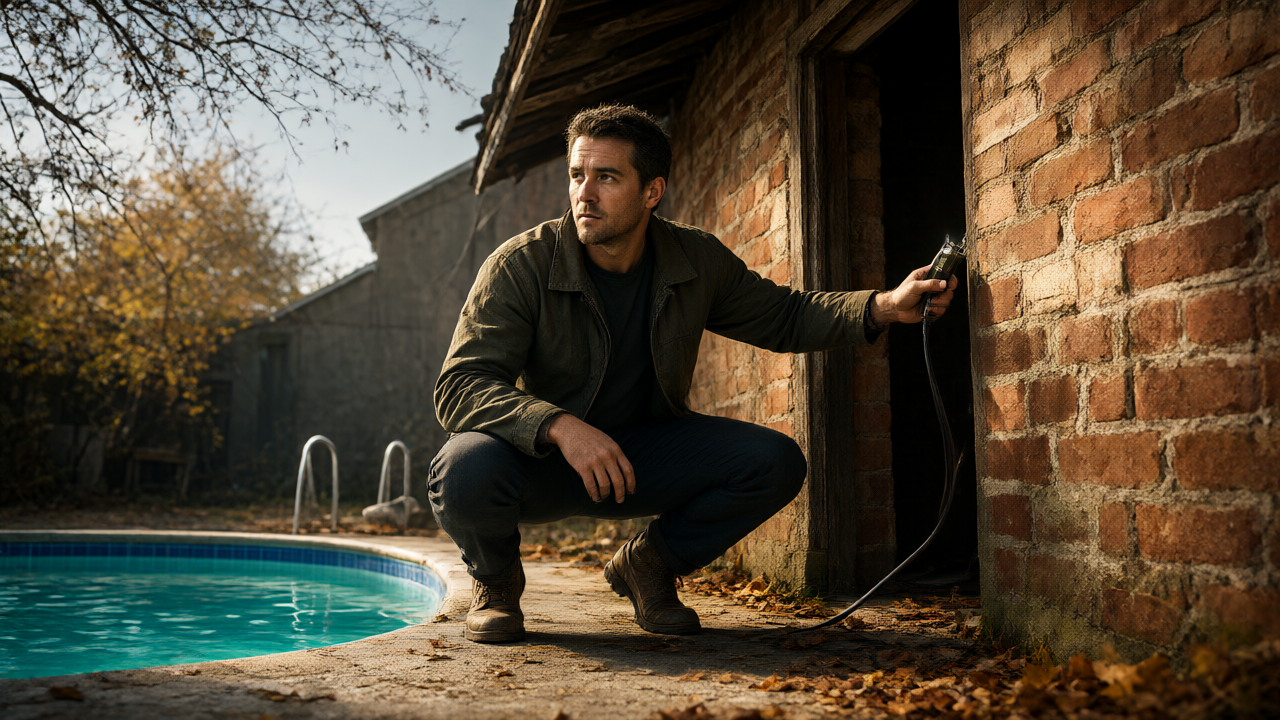
The leak type drives the price more than anything else. A leak in the skimmer throat is a 30 minute fix once it's found. A leak under the deck in the return line is a different afternoon. Here's what Houston homeowners are paying in 2026 for detection by leak category, based on the diagnostic time and equipment each one requires.
- Skimmer leaks: $200 to $325. The skimmer is the most common failure point in Houston pools because of our expansive clay soil. The ground shifts with wet and dry cycles, and the skimmer throat cracks where it meets the concrete. Detection is fast: dye test around the skimmer mouth and throat, and you've got your answer in 20 minutes.
- Light niche leaks: $225 to $350. The light niche is the plastic housing set into the pool wall. The sealant around it degrades every 5 to 7 years in our heat. Detection requires a diver or a technician willing to get in the water, plus dye testing around the niche ring. Not complicated, but it takes time.
- Plumbing line leaks: $350 to $650. This is where pricing climbs. A leak in the suction or return lines means pressure testing each line individually, then using acoustic listening equipment to pinpoint where underground the water is escaping. If the leak is under the deck, the detection has to be precise enough that the repair crew cuts the smallest possible hole.
- Liner leaks (above ground and vinyl pools): $200 to $300. Vinyl liner leaks are usually found with dye testing along the seams and fittings. Less common in Houston than in other markets because most pools here are gunite or plaster, but they exist, especially in older above ground installations in Pasadena and Deer Park.
- Main drain and hydrostatic valve leaks: $400 to $600. The main drain at the bottom of the pool is the hardest to access. Detection often requires a commercial diver, which adds $150 to $250 to the ticket on its own.
One note on structure leaks, meaning cracks in the gunite shell itself: those aren't usually found during a standard leak detection visit. They show up when the pool is drained or during a Pool Inspection that includes a full shell assessment. If your leak detection comes back clean but you're still losing water, ask for a structural inspection before you spend more money on detection.
What Adds to the Bill: Access, Pool Size, and Emergency Scheduling
The base price assumes a standard 15,000 to 20,000 gallon residential pool with normal access. Several things push the number north, and none of them are surprises if you know to ask.
Access is the biggest variable. If the pool equipment pad is behind a locked gate, blocked by landscaping, or the pool deck has no clean path to the skimmer, the technician burns time moving things. Some companies charge $50 to $100 for difficult access. Pool size matters too: a 40,000 gallon pool with two skimmers, three return lines, and a spa spillover takes longer to pressure test than a simple 12,000 gallon rectangle. Expect $75 to $150 added for large or complex pools. Emergency and weekend scheduling adds another $75 to $200, which is standard across Houston. If you can wait until a Tuesday morning, you'll save the premium.
Two more line items worth knowing. First, if the pool has an attached spa or water feature, those have their own plumbing and their own potential leaks. Testing them is often quoted separately at $100 to $175. Second, if you're in an area with heavy tree root intrusion, like parts of Bellaire, West University Place, or older Katy neighborhoods, the listening equipment picks up more background noise and detection takes longer. Not every company charges for that, but some do.
"The most expensive leak detection is the one you have to pay for twice because the first company couldn't find it. Ask how many leak calls the technician runs per week before you book."
Repair vs. Detection: What Houston Homeowners Pay After the Leak Is Found
Detection is the diagnosis. Repair is the surgery. Homeowners are often surprised that the $350 detection fee doesn't include the fix, so let's set expectations. The most common repair, a skimmer leak, runs $350 to $600 including materials and labor. A light niche reseal runs $250 to $450. A plumbing line leak under the deck is where budgets get real: $800 to $2,500 depending on how much deck has to be cut and whether the line is repaired or rerouted. Main drain and hydrostatic valve repairs run $500 to $1,200.
Here's the honest advice most companies won't give you: not every leak needs a professional repair immediately. A light niche that's seeping a quarter inch a day can often be monitored for a few weeks, especially in our cooler months when evaporation is low and you can actually tell how much water you're losing. A skimmer leak that's losing an inch a day is a different story. That one needs to be fixed before the water loss undermines the deck or the surrounding soil. The rule of thumb: if you're adding water more than once a week, it's time to repair. If you're adding water once every two weeks in November, you can probably wait and bundle it with your next Pool Maintenance visit.
Repair coordination is another hidden cost. Some detection companies hand you a report and leave you to find your own repair crew. Others, like Pool Bros, coordinate the repair and follow up after. Ask which model you're buying. The coordinated version usually costs a little more upfront but saves you the headache of translating a leak report to a second contractor who wasn't there for the diagnosis.
How to Avoid Paying Twice: 5 Questions to Ask Before You Book
The single best way to save money on leak detection is to hire right the first time. These five questions separate a real leak detection operation from a company that's guessing.
- "Do you pressure test the plumbing, or just dye test the visible areas?" Dye testing alone finds skimmer and light niche leaks. It cannot find a leak in an underground return line. If the answer is "we dye test," you're getting a screening, not a full detection.
- "What's the flat fee, and is it credited toward the repair if I book with you?" Get the number in writing before they arrive. Ask specifically about the credit policy.
- "How many leak detections does your technician run per week?" A technician who runs 10 leak calls a week has seen your leak before. One who runs two a month is learning on your dime.
- "What happens if you can't find the leak?" A reputable company will either continue the search at no additional charge or refund the fee. Get this in writing. "We'll figure something out" is not an answer.
- "Do you provide a written findings report?" You want documentation of where the leak is, what was tested, and what the recommended repair is. That report is your leverage if you hire a separate repair crew, and it's your proof if the leak returns.
One more insider tip: before you book anyone, do the bucket test yourself. Fill a bucket with pool water, mark the level, set it on the pool steps, and mark the pool water level on the same day. Wait 24 hours. If the pool water dropped more than the bucket water, you have a leak. If they dropped the same amount, you have evaporation. Houston's fall and winter evaporation is low enough that the bucket test is reliable from October through March. In July and August, evaporation can hit a quarter inch a day, so the bucket test gets murkier. That's when a professional screening is worth the $150 to $225.
If you're in Houston, Baytown, Bellaire, Katy, Sugar Land, or anywhere across the metro and the bucket test says you've got a leak, Pool Bros runs the full detection process: water loss assessment, system wide pressure testing, acoustic listening, dye testing, a written findings report, and repair coordination. They'll tell you straight up if it's a $200 skimmer fix or a $2,000 plumbing repair before anyone cuts concrete. Call them at the number on their site, and ask the five questions above. A good company will answer every one without hesitation.
Frequently Asked Questions
How much does pool leak detection cost in Houston?
Most Houston homeowners pay $250 to $450 for standard leak detection, with a basic screening at $150 to $225 and premium detection with a written report at $450 to $650. Complex pools, emergency scheduling, and attached spas add $75 to $250. The detection fee is often credited toward the repair if you book with the same company.
How do I know if my pool has a leak or if it's just evaporation?
Run the bucket test: set a bucket of pool water on the steps, mark both water levels, and wait 24 hours. If the pool drops more than the bucket, you have a leak. Houston pools lose about a quarter inch per day to evaporation in summer, but only an eighth of an inch or less from November through March, which makes the bucket test more reliable in cooler months.
Can you find a pool leak without tearing up my deck?
Yes, in most cases. Pressure testing and acoustic listening equipment locate underground leaks precisely enough that the repair crew cuts a small access hole rather than tearing up the whole deck. The most common leak locations, skimmers and light niches, are found with dye testing and require no deck work at all.
What should I look for when choosing a pool leak detection company?
Ask whether they pressure test the plumbing or only dye test visible areas, whether the fee is flat or hourly, how many leak calls their technician runs per week, and what happens if they can't find the leak. Get the fee and the refund policy in writing. A company that hesitates on any of those questions isn't the one to hire.
If your pool is losing water faster than Houston's fall evaporation can explain, Pool Bros handles leak detection across Houston, Katy, Sugar Land, and the surrounding areas. They'll run the full diagnostic, tell you exactly what's leaking, and give you a straight answer on whether it's a quick fix or a bigger repair. No guesswork, no upselling, just the diagnosis.