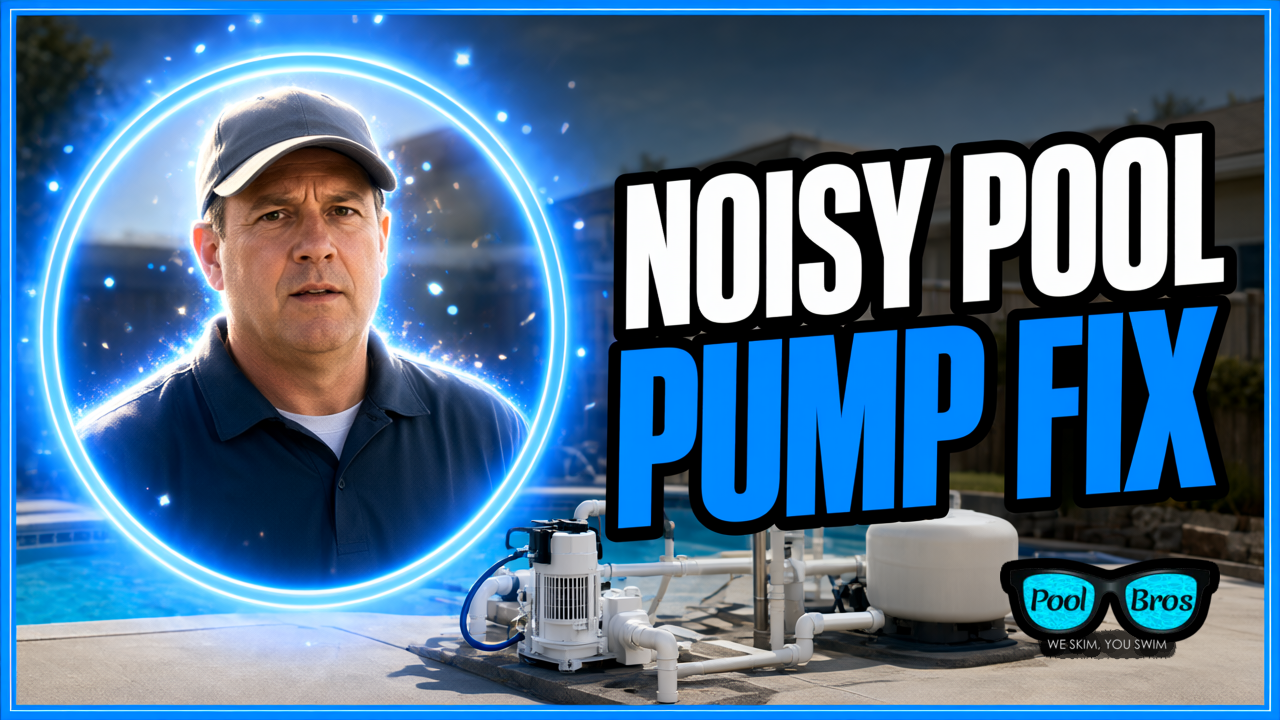
Most Houston pool owners assume the noise coming from their equipment pad is just part of owning a pool. It isn't. A healthy pump runs at a steady hum around 60 to 70 decibels, roughly the volume of a normal conversation. A grinding, rattling, or screeching pump is telling you something specific, and learning to read those sounds can mean the difference between a $150 bearing replacement and a $900 motor swap. The pool pump is the heart of your circulation system, moving thousands of gallons through the filter every day. When it starts making noise, you have a narrow window to act before the problem spreads to the motor, the seals, or the impeller.
Grinding or Screeching: When Bearings Are Failing
A high-pitched screech or a metal-on-metal grind is the most urgent sound a pool pump makes. Nine times out of ten, it points to worn motor bearings. The bearings sit at each end of the motor shaft and spin thousands of times per minute. When the grease breaks down or water gets past the shaft seal, they start to seize. Houston's heat accelerates this. A pump in a west-facing equipment pad can hit internal temperatures above 140 degrees in July and August, which cooks bearing grease faster than most manufacturers expect.
Here's the part the pool store won't tell you: bearings are cheap, but the labor is what costs money. A bearing kit runs $25 to $60. Replacing them requires pulling the motor, pressing out the old bearings, and pressing in new ones. Expect $200 to $350 for a technician to do it correctly in the Houston area. If the pump is more than eight years old or the motor housing is rusted, most techs will recommend replacing the whole pump instead, because the labor to rebuild an aging motor often exceeds the value of the unit.
One warning before you call anyone: screeching that starts suddenly after a power surge or storm is sometimes an electrical issue, not a bearing. Houston's summer thunderstorms send voltage spikes through the grid, and a capacitor or start switch can fail in ways that sound mechanical. A qualified tech will test the capacitor first, which takes five minutes and costs almost nothing, before assuming the worst.
Rattling or Buzzing: Loose Parts, Debris, and Electrical Issues
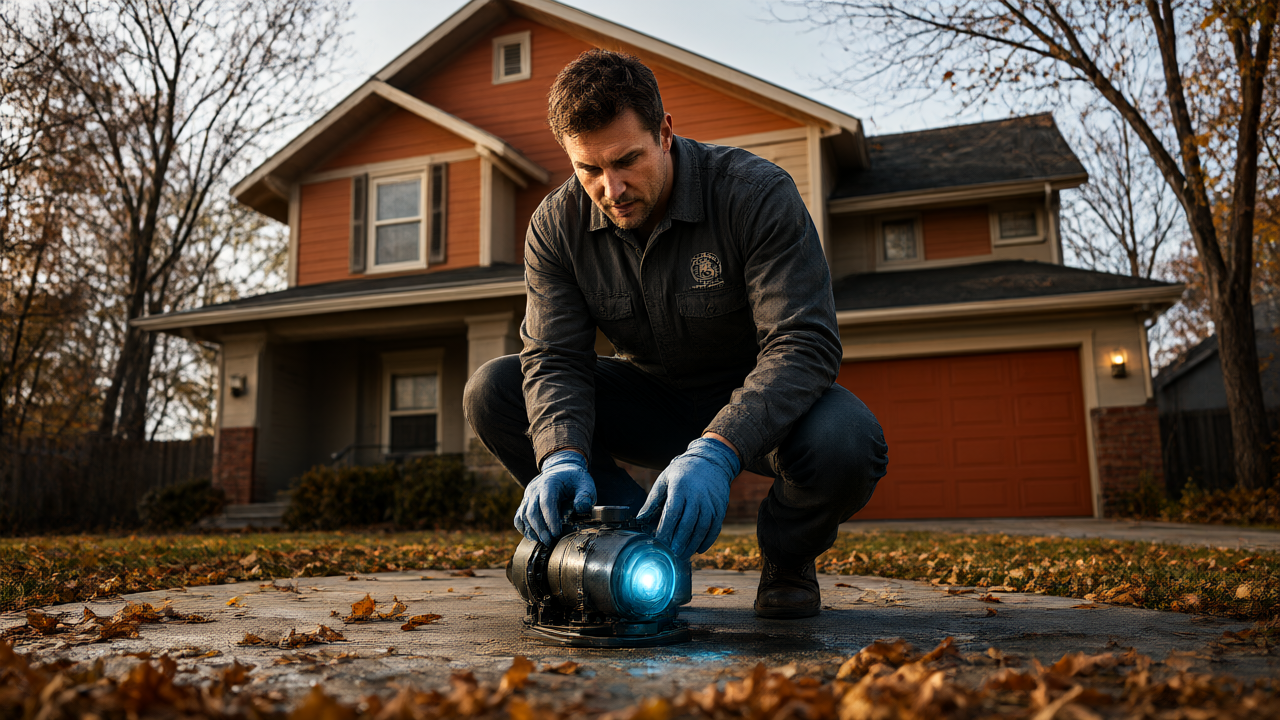
Rattling is usually good news because it's usually something simple. The most common culprits are loose pump housing bolts, a vibrating base, or debris trapped in the impeller. Leaves, acorns, and even small lizards find their way into the pump basket and then into the impeller, where they throw off the balance and create a rattle that syncs with the motor's rotation. Shut off the breaker, remove the pump basket lid, and check for debris before you do anything else.
A low electrical buzz is different and deserves more respect. A pump that hums but doesn't spin is drawing locked-rotor current, which can burn out the motor winding in minutes. This is often a failed capacitor or a stuck impeller. Turn it off at the breaker immediately and call for pool pump repair in Houston rather than letting it run. Pool Bros technicians carry capacitors and start switches on their trucks for exactly this reason; it's one of the most common emergency calls they field during Houston's peak swim season.
If the rattle comes from the base or the plumbing, check the pad itself. Concrete pads shift in Houston's clay soil, especially after heavy rain or drought cycles. A pump that isn't sitting level will vibrate against the pad and sound far worse than it is. A rubber pad or vibration isolation feet cost under $30 and solve the problem in an afternoon.
Humming Without Flow: Cavitation and Air Leaks
A pump that hums steadily but moves no water is cavitating, which means it's spinning but not pumping. The sound is distinctive: a low, gravelly hum like marbles in a can. Cavitation happens when air enters the suction side of the system or when the pump is starved of water. In Houston, the two most common causes are a clogged pump basket and a leak in the suction line, often at the union fittings or the skimmer.
Air leaks are sneaky. A pinhole in a suction line can pull in air without leaking a drop of water, because the pump is under vacuum on that side. The telltale sign is bubbles in the pump basket or air spurting from the return jets when the pump starts. Left alone, cavitation damages the impeller and can crack the pump housing. It also raises your electric bill, because the motor runs hotter and less efficiently.
Here's a simple check any Houston pool owner can do in ten minutes:
- Turn off the pump and open the basket lid. Clear any debris and check the O-ring for cracks or flattening.
- Refill the basket with water, reseal the lid, and restart the pump.
- Watch the pump basket for bubbles. Steady bubbles mean air is getting in somewhere upstream.
- Check the water level at the skimmer. If it's below the halfway point on the skimmer mouth, the pump is pulling air. Houston's heat evaporates a pool at roughly a quarter inch per day, so this happens fast in summer.
- If bubbles persist after all that, the suction line has a leak and needs a pressure test. That's a job for a pro with leak detection equipment.
When to Call a Pro: Repair vs. Replace in Houston
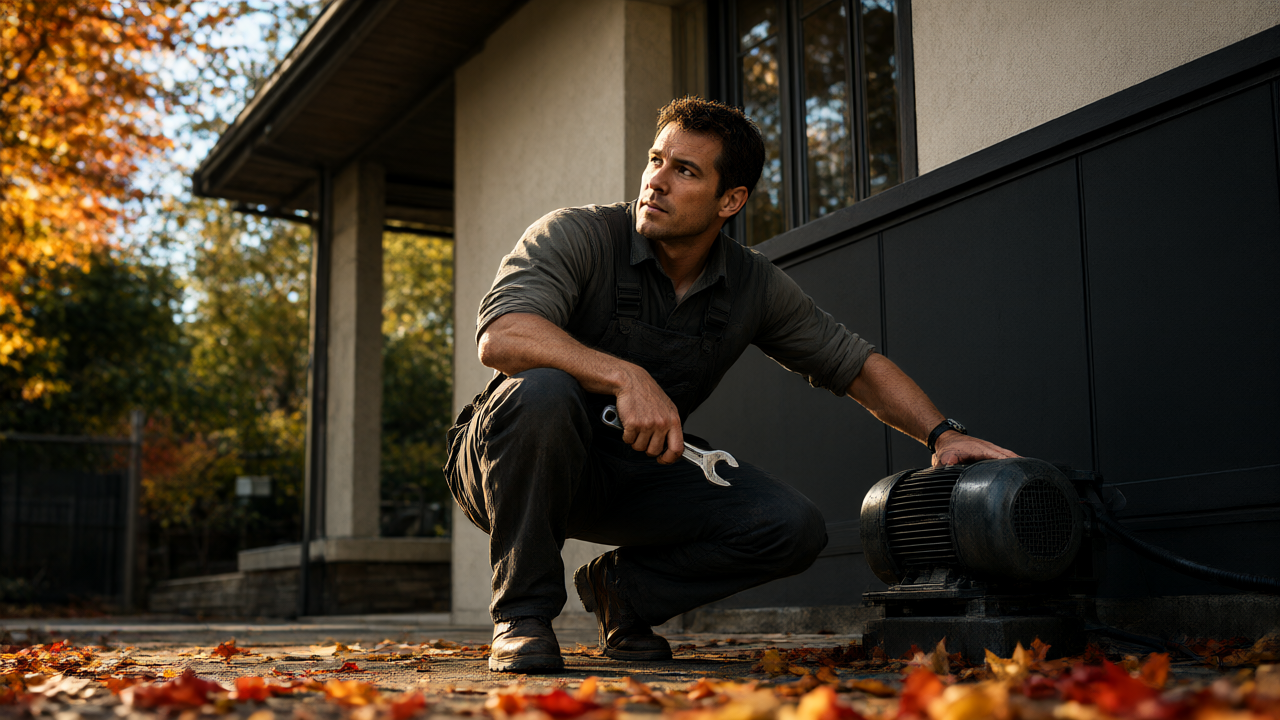
Not every noise needs a service call. A rattling lid, a dirty basket, or a low water level are all DIY fixes. But some sounds are red flags that the pump is on its last legs. If you hear grinding that gets louder over a few days, or if the pump trips the breaker repeatedly, stop running it. A seized pump can overheat the wiring and damage the breaker panel, turning a $300 repair into a $1,500 electrical job.
The repair versus replace decision usually comes down to three factors: age, efficiency, and the cost of the fix. A variable-speed pump installed in the last ten years is almost always worth repairing. An older single-speed pump that's making bearing noise is usually a candidate for replacement, especially in Houston where pumps run nearly year round. Upgrading to a variable-speed pump can cut pool pump energy use by 50 to 75 percent, and while Houston's electricity rates are moderate compared to California, the savings still add up to several hundred dollars a year on a typical pool.
Pool Bros handles Pool Pump Repair and Pool Installation across Houston, Bellaire, Katy, Sugar Land, and the surrounding areas. Founder Bryan Ezzell is a Certified Pool Operator with more than seven years of experience in equipment diagnostics, and the team includes technicians with manufacturer training on Hayward and Pentair systems. If you're unsure whether your pump is worth saving, an inspection will tell you straight. The team also offers Pool Inspection services that catch failing equipment before it leaves you with a green pool in August.
Preventing Noise: Monthly Checks for Houston Pool Owners
The best way to avoid a noisy pump is a five-minute monthly check. Houston's climate is hard on pool equipment: heat, humidity, pollen, and heavy rain all take a toll. Here's what to check every month, ideally on the same day so it becomes a habit:
- Clean the pump basket and inspect the O-ring for cracks. A dry or cracked O-ring lets air in and causes cavitation.
- Check the water level at the skimmer. Keep it at the middle of the skimmer mouth, especially during Houston's dry spring and fall.
- Listen at startup. Run the pump for a minute and listen for new sounds. Catching a bearing chirp early saves the motor.
- Look for leaks at the unions, the pump seal, and the pad. A drip under the pump usually means the shaft seal is failing.
- Clear debris from the skimmer and the pump basket after every storm. Houston's live oaks drop leaves and acorns that clog impellers.
If you'd rather not think about it, Pool Maintenance from Pool Bros includes monthly equipment checks as part of the service. For most Houston homeowners, weekly Pool Cleaning and maintenance runs $100 to $180 per month depending on pool size and debris load, and it's the cheapest insurance against a mid-summer pump failure.
Frequently Asked Questions
How much does Pool Pump Repair cost in Houston?
Most repairs run $150 to $450 depending on the part. A capacitor or seal replacement is on the low end, while bearing replacement or motor work is on the high end. A full pump replacement typically costs $600 to $1,200 installed, with variable-speed models at the upper end.
Is a noisy pool pump dangerous?
It can be. A grinding pump is usually a mechanical failure that will get worse, and a humming pump that won't start can overheat and damage wiring. Turn it off at the breaker and have it checked before running it again.
Can I replace pool pump bearings myself?
It's possible if you're comfortable with mechanical work, but it requires pulling the motor, pressing bearings, and resealing the pump. Most homeowners are better off paying a technician, especially since a mistake can ruin the motor and turn a $250 job into a $900 one.
Why does my pool pump get louder in the summer?
Heat thin out bearing grease and expands motor components, so worn parts make more noise. Houston's summer heat also pushes pumps harder because they run longer to keep up with chlorine demand and evaporation. If the noise fades in cooler weather, that's a sign of early bearing wear.
If your pump is making a sound you can't place, don't wait for it to fail on a 100-degree Saturday. Pool Bros handles pool pump repair and equipment diagnostics across Houston and the surrounding suburbs, and the team will tell you honestly whether you're looking at a $200 fix or a replacement. Call them, describe the noise, and they'll point you in the right direction.