Most Houston homeowners schedule their Pool Resurfacing in June, right before the first big swim party. That's also when every plaster crew in Harris County is booked solid, the humidity is at 85%, and a sudden afternoon thunderstorm can wreck a fresh finish. The smartest time to resurface a pool in Houston isn't summer. It's the window between late September and early April, when crews are available and the weather cooperates. If you're planning a pool resurfacing in Houston for 2026, here are five scheduling mistakes to avoid before you sign a contract.
Why Timing Your Resurfacing Around Houston's Humidity Matters
Houston's average relative humidity sits between 75% and 90% for most of the year. That's not just uncomfortable for the crew. It directly affects how a new pool finish cures. Plaster and aggregate surfaces cure through a chemical reaction that releases water. When the air is already saturated, moisture can't evaporate efficiently, which can lead to a soft surface, visible trowel marks, or a mottled finish that never fully hardens.
The ideal conditions for applying and curing a new pool surface are temperatures between 50°F and 85°F with moderate humidity and no direct rain for at least 24 hours after the final trowel. In Houston, those days cluster in October, November, March, and early April. July and August rarely cooperate. A reputable crew will monitor dew points and may pause a job mid-day if conditions shift, but that extends your timeline and leaves your pool in a vulnerable state.
Here's what most homeowners don't realize: the cure window matters more than the installation window. Even if you install in perfect weather, the surface needs a slow, controlled cure. Houston's summer heat can cause the finish to dry too fast, creating hairline cracks that show up six months later. Scheduling in a cooler month gives the material time to set properly. Ask your contractor how they manage cure times in Houston's climate. If they shrug, that's a red flag.
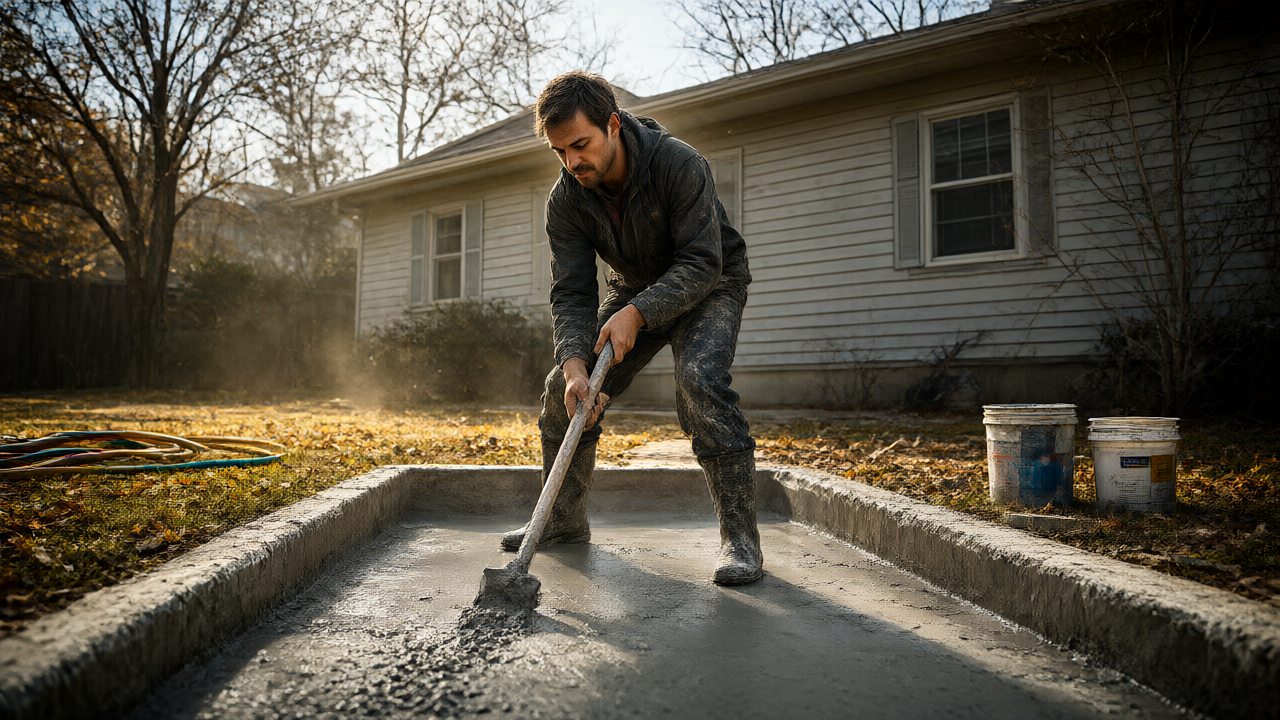
Mistake 1: Booking in Peak Summer Without a Backup Plan
June, July, and August are the busiest months for pool resurfacing in Houston. Everyone wants their pool ready for summer. But that demand creates two problems. First, good crews book out four to eight weeks in advance, sometimes longer. Second, summer thunderstorms roll in almost daily, and a single rain event can delay your project by three to five days while you wait for the surface to dry and the crew to reschedule.
If you absolutely must resurface in summer, have a backup plan. Ask the contractor what happens if it rains on day two of a five day job. Do they have a written rain policy? Do they charge for weather delays? A crew that works in Houston year round should have a clear answer. Pool Bros, for example, schedules summer projects with built in weather contingency days and communicates proactively if the forecast shifts.
Better yet, avoid the summer rush entirely. A September or October resurfacing means shorter wait times, more crew availability, and a pool that's ready for the following spring. You'll also avoid the premium pricing that some companies add during peak season. Most homeowners report saving 10% to 15% by scheduling in the off season, simply because crews aren't turning away work.
Mistake 2: Ignoring the 7-10 Day Cure Window Before Swimming
This is the mistake that causes the most heartburn. A new pool surface looks swimmable the day after the crew leaves. It is not. Plaster and aggregate finishes need 7 to 10 days of curing before you can safely swim, and in some cases up to 14 days depending on the finish type and weather. Jump in too soon and you risk damaging the surface, throwing off the water chemistry, and voiding your warranty.
The cure process involves more than just waiting. Your contractor should provide a specific startup schedule: when to fill the pool, how to balance the water, when to brush the walls, and when to run the pump. For the first week, you'll need to brush the entire pool twice a day to remove curing dust and prevent scale. You'll also need to keep the pH and alkalinity in a tight range. This isn't optional. It's part of the job.
Ask your contractor for a written cure and startup plan before you sign. A good one will include:
- Day 0: Final trowel and initial fill (fill immediately, not the next day)
- Days 1-7: Brush twice daily, no swimming, no automatic cleaner
- Days 3-5: First water chemistry test and adjustment
- Day 7: Second chemistry test, resume normal filtration
- Day 10: Final check and clearance to swim
If your contractor can't provide this, find another one. Pool Bros includes a detailed cure guide with every resurfacing package, and their technicians walk you through the process before they leave the site.
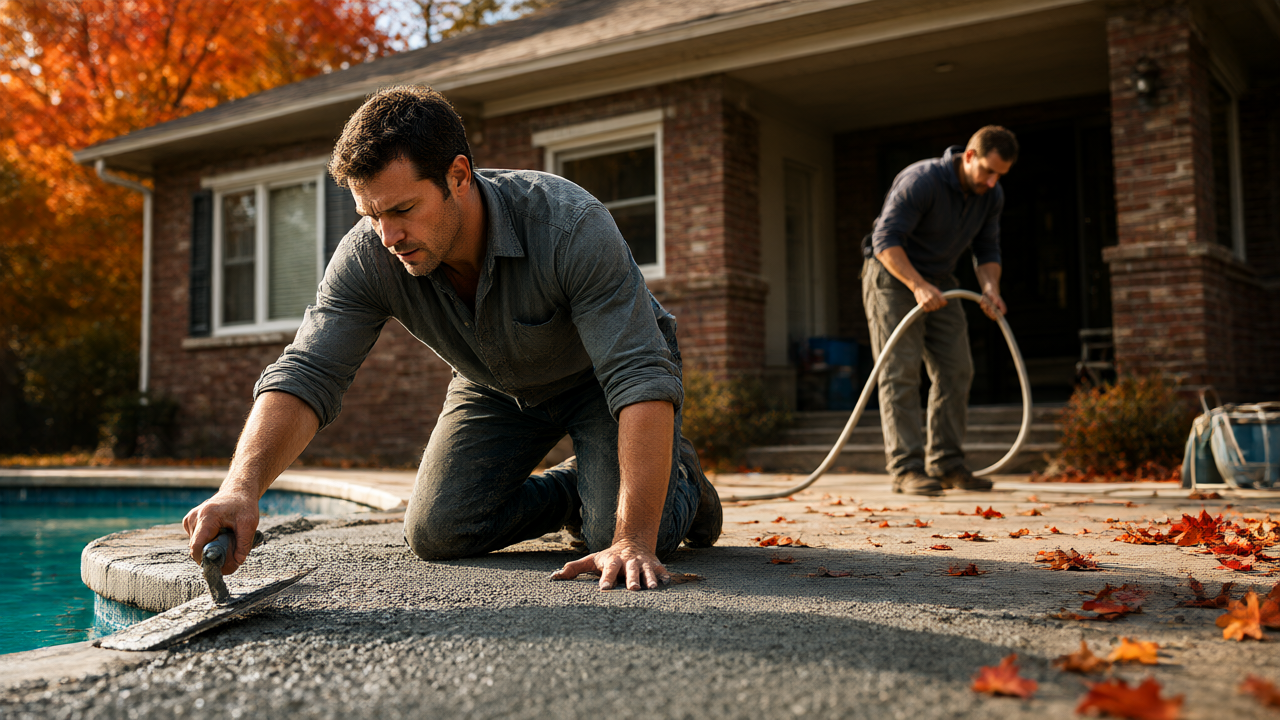
How to Coordinate Resurfacing With Your Pool Service Contract
Most Houston pool owners have a weekly or biweekly cleaning service. Resurfacing disrupts that routine, and if you don't coordinate, you'll pay for cleanings you can't use or risk your cleaner showing up during the cure window and throwing off the chemistry. The best approach is to pause your regular service for the duration of the project and the cure period, then schedule a deep clean and chemistry balance before resuming.
Talk to your pool service provider before you book the resurfacing. Ask them:
- Can they pause service without a penalty?
- Will they credit unused visits?
- Do they offer a post resurfacing startup package?
If your service provider also does resurfacing, even better. Pool Bros offers both Pool Cleaning and Pool Resurfacing, which means one point of contact and no miscommunication between crews. If you use a separate cleaner, make sure they know the exact dates of the project and the cure window. A cleaner who shows up on day three and dumps in chlorine can ruin a fresh surface.
One more thing: if you're planning to resurface, don't schedule it right before a major pool event. Give yourself a two week buffer after the cure window before you plan a party. That way, if anything needs adjustment, you have time to fix it.
2026 Houston Resurfacing Calendar: Best Months to Schedule
Based on Houston's climate and typical crew availability, here's how the 2026 calendar shapes up for pool resurfacing:
- January to February: Best availability, lowest prices. Weather is cool but workable. Cure times are slower, which is actually good for the finish. Book by December 2025.
- March to April: Excellent conditions. Humidity is moderate, temperatures are rising. Crews start filling up, so book by February.
- May: Still good, but summer demand begins. Book by March.
- June to August: Peak season. Expect higher prices, longer waits, and weather delays. Only schedule if you have a backup plan.
- September to October: Second best window. Humidity drops, temperatures moderate. Book by July.
- November to December: Good availability, but watch for cold fronts. Curing can be slower, but most finishes handle it fine. Book by September.
If you're reading this in November 2026, you're actually in a great spot. The next few months are ideal for scheduling a resurfacing project before the spring rush. Pool Bros is currently booking January and February projects in Houston, Baytown, Bellaire, and Sugar Land. A free estimate takes about 30 minutes and includes a surface assessment and a written timeline.
Frequently Asked Questions
How much does pool resurfacing cost in Houston?
Most residential pool resurfacing projects in Houston range from $4,500 to $12,000 depending on pool size, finish type, and any structural repairs needed. Basic plaster starts around $4,500, while pebble or quartz finishes typically run $8,000 to $12,000. Pool Bros offers three packages (Essential, Signature, and Elite) to fit different budgets.
How long does pool resurfacing take from start to finish?
A typical resurfacing project takes one to three weeks from drain to swim ready, including the cure window. Most of that time is cure, not construction. The actual work usually takes three to five days, followed by 7 to 10 days of curing and water balancing.
Do I need to drain my pool before resurfacing?
Yes, the pool must be drained to inspect the shell and apply the new finish. This is part of the process and should be included in your quote. If a contractor says they can resurface without draining, that's a red flag. It's not a standard or reliable method.
Can I resurface my pool in winter in Houston?
Yes, winter is actually one of the best times to resurface in Houston. Temperatures are mild, humidity is lower, and crews are more available. The main consideration is that cure times can be slightly longer, but a reputable contractor will adjust the schedule accordingly.
If you're in the Houston area and your pool surface is rough, chalky, or showing its age, Pool Bros handles exactly this kind of work. They'll give you a straight answer on whether you need a full resurfacing or just a repair, and they'll help you pick the right month to schedule it. Call them for a free estimate and get your pool on the 2026 calendar before the spring rush hits.