A Pool Inspection in Jacinto City is not the same as a home inspection. Your buyer's inspector will glance at the equipment pad, note that the pool "appears functional," and move on. That is not an inspection. That is a guess. In a city built on clay soil and low elevation, where the ground shifts with every wet and dry cycle, the difference between a pool that needs a $400 valve and one that needs a $14,000 shell repair hides in places most inspectors never look. Here are six red flags that should stop you before you sign.
Why Jacinto City's Soil and Flood History Make Pool Inspections Non-Negotiable
Jacinto City sits on the kind of soil that keeps pool contractors in business. The clay content in this part of Harris County expands when it holds water and contracts hard when it dries. A pool shell is a rigid box sitting in a bed of material that moves. Over a decade, that movement shows up as hairline cracks that widen, deck slabs that settle unevenly, and plumbing that separates at the joints.
Then there is the flood history. Buyers who moved here after Hurricane Harvey learned to ask about elevation certificates and flood insurance, but they rarely ask what repeated saturation did to the pool's surrounding soil. A pool that sat under standing water for days can develop hydrostatic pressure issues, especially if it was drained afterward without relief valves doing their job. Pools in Jacinto City, Galena Park, and the low-lying parts of Pasadena carry a higher risk of structural movement than pools on higher ground in Katy or Sugar Land.
That is why a general home inspector's 15-minute look at the pool is not enough. A proper pool inspection is a separate trade with separate tools: pressure testing for hidden leaks, dye testing around fittings, and a close read of the shell and equipment pad. If you are buying a home with a pool in this city, budget for that inspection the same way you budget for the roof and foundation reports.
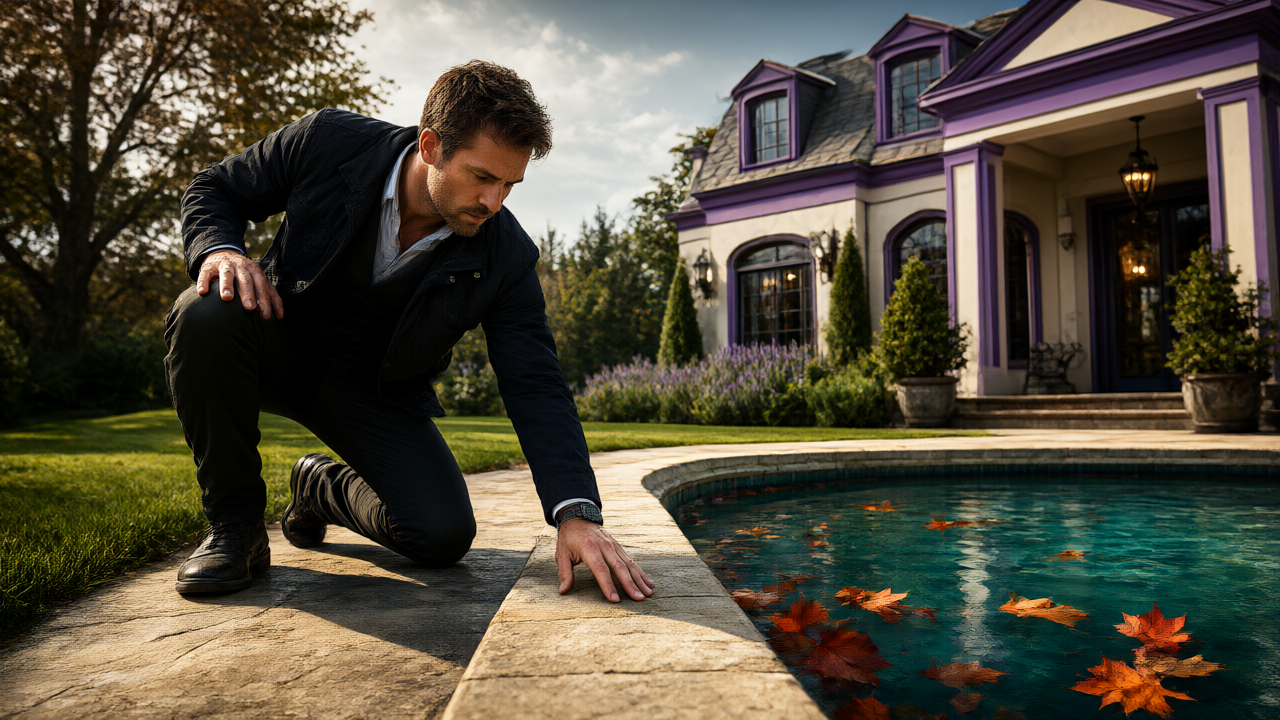
6 Red Flags: From Hairline Plaster Cracks to Pump Pad Settlement
Here is what a trained eye looks for, and what you should walk the property looking for before you even make an offer.
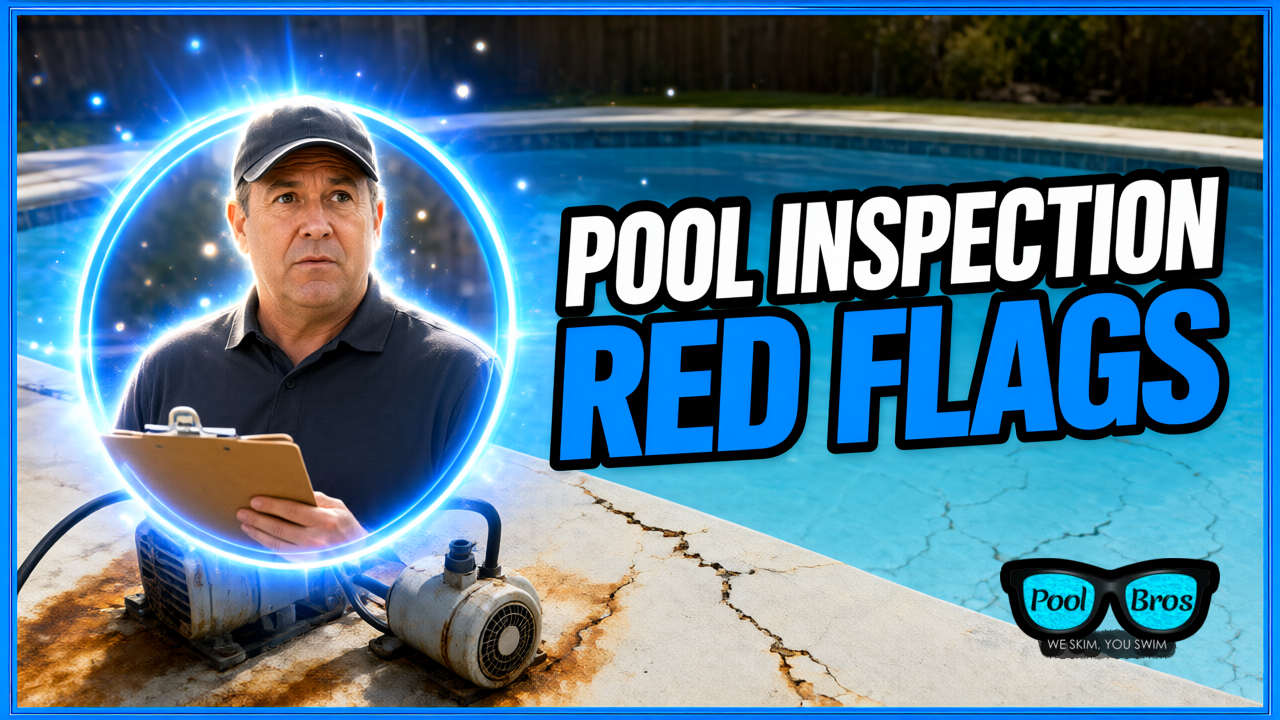
- Spiderweb cracks in the plaster that follow a pattern. A single hairline crack is often cosmetic. A web of cracks radiating from a return fitting or a light niche suggests movement underneath. Run your hand along the crack. If your fingernail catches the edge, it is wide enough to let water into the shell, and that is where delamination starts.
- Deck slabs that have separated from the pool wall. Look at the joint where the concrete deck meets the coping. A uniform expansion joint is normal. A gap that is wide on one side and tight on the other means the deck has settled. That settling can pull on the plumbing underneath. In Jacinto City's clay, this is the single most common issue Pool Bros technicians find during pool inspection calls.
- Pump pad settlement or a tilted pump. The equipment pad should be level and the pump should sit flat. A pad that has sunk on one corner puts stress on the pump housing and the unions. A tilted pump runs hotter and fails sooner. A pool pump repair call often starts with a pad that was never right.
- Rust stains around the light niche or skimmer throat. Rust means water is getting behind the fitting. Sometimes it is a failed gasket. Sometimes it is the beginning of a pool leak detection job that will find a crack in the niche housing.
- Waterline tile that is falling off in sheets. Tile that pops off in one or two spots is normal wear. Tile that comes off in sections means the bond coat has failed, usually from repeated saturation. That is a pool resurfacing conversation, not a tile repair.
- A filter that runs at high pressure no matter what. If the gauge reads 10 psi above clean pressure after a backwash, the filter media is compromised or the internals are broken. A pool filter replacement is not cheap, but it is cheaper than the pump damage that comes from restricted flow.
What a Professional Pool Inspection Covers That a Home Inspector Won't
A home inspector's scope is the house. The pool is a line item. A dedicated pool inspection is a different document. It covers the shell, the finish, the plumbing, the equipment, the electrical bonding, and the safety barriers. It includes pressure testing the lines to find leaks that are not visible, and it includes a water chemistry read that tells you whether the pool has been maintained or just kept blue.
At Pool Bros, a pool inspection includes a full read of the pump, filter, heater, and any automated controls. Technicians like David Rivas, who holds PHTA certification and EPA Section 608 Universal Certification, can tell you whether a heater is on its last season or has years left. That matters in a negotiation. A heater that is failing is a $2,500 to $4,500 line item in 2026. A pump that is on its way out is $600 to $1,200 installed.
The inspection also covers the things a buyer cannot see. Bonding and grounding on the pool equipment is a safety issue, and it is one that home inspectors routinely miss. So is the condition of the skimmer throats and the main drain covers. A missing or cracked drain cover is a hazard, and replacing it is a small cost that signals a bigger problem: a pool that has not had eyes on it in years.
Estimated Repair Costs for Common Jacinto City Pool Issues in 2026
Numbers make negotiations real. Here is what the common findings cost in the Jacinto City area this year. These are typical ranges, not quotes, and they move with the scope of the job.
- Plaster or resurfacing: $4,500 to $9,000 for a standard residential pool. Full chip-out and replaster runs higher.
- Deck leveling or mudjacking: $800 to $2,500 depending on how many slabs have settled.
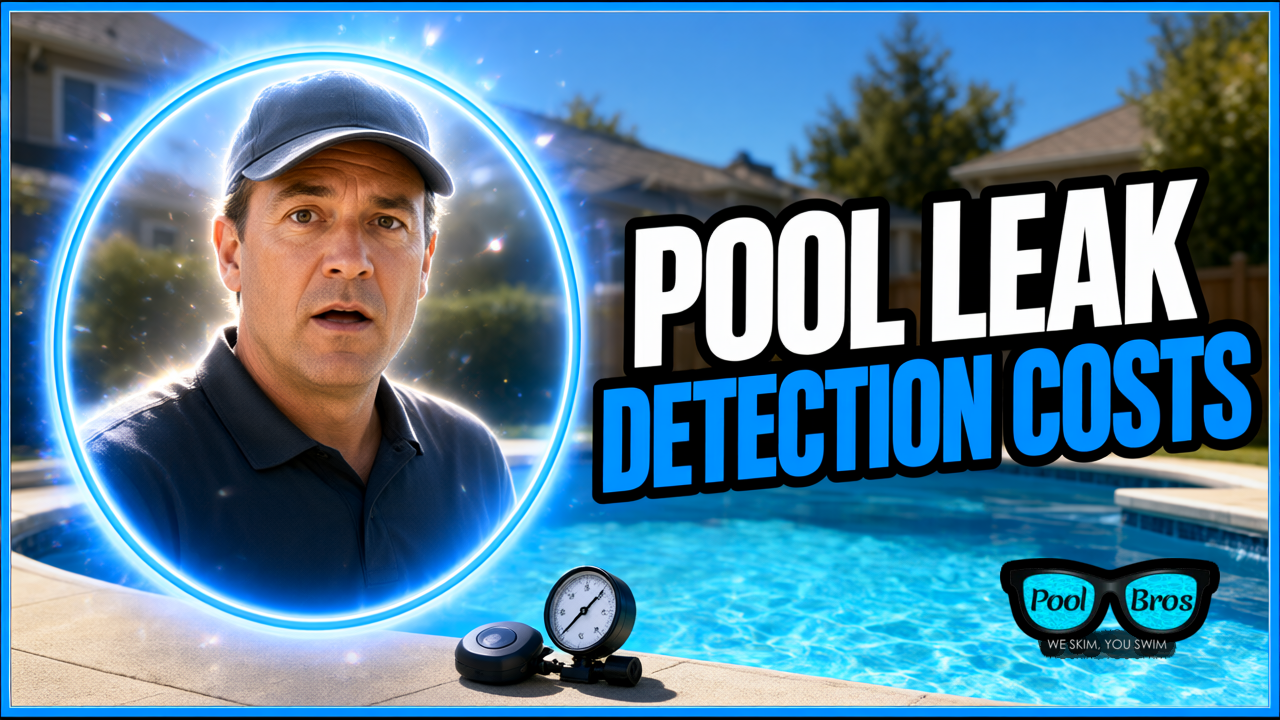
- Pool leak detection and repair: $350 to $600 for detection, plus repair costs that can run from $200 for a fitting to $3,000 or more if the leak is under the deck.
- Pool pump repair or replacement: $250 to $600 for a repair, $600 to $1,200 for a new variable speed pump installed.
- Pool filter replacement: $500 to $1,400 depending on cartridge, sand, or DE.
- Pool heater repair: $300 to $900 for common repairs, $2,500 to $4,500 for replacement.
Add these up and you can see why the inspection matters. A pool that looks fine on a sunny Saturday can carry $8,000 in deferred work. That is not a reason to walk away. It is a reason to know the number before you sign.
How to Negotiate Inspection Findings Into Your Closing Contract
The inspection report is a negotiating tool, not a deal killer. Here is the process that works in this market.
- Get the inspection before your option period ends. In Texas, the option period is your leverage. Once it expires, you lose the easy exit.
- Separate safety items from cosmetic items. Bonding issues, drain covers, and electrical problems are safety. Plaster stains and faded tile are cosmetic. Ask for safety repairs to be completed by the seller, and use cosmetic items to negotiate price.
- Get two written quotes for the big items. A resurfacing quote from a licensed contractor carries more weight than a line in an inspection report. Pool Bros provides free estimates for Pool Resurfacing and Pool Installation projects, and those quotes are the kind of documentation a seller's agent will take seriously.
- Ask for a credit, not a repair. Sellers often choose the cheapest contractor. A closing credit lets you choose the work and the timing. On a $6,000 resurfacing item, asking for a $4,000 credit and handling it yourself is often the cleaner path.
- Put it in writing before the option period ends. Verbal agreements disappear. The amendment to the contract is what counts.
One more piece of insider advice: if the inspection finds nothing but normal wear, say so. A pool that needs a $400 tune-up and a good cleaning is not a negotiation point. Buyers who cry wolf on small items lose credibility on the big ones.
Frequently Asked Questions
How much does a pool inspection cost in Jacinto City?
Most pool inspections in the Jacinto City area run $300 to $500 in 2026, depending on the size of the pool and whether leak detection is included. That is a small number next to the repair costs an inspection can uncover.
Is it worth it to hire a professional for pool inspection before buying a house?
Yes, especially in Jacinto City and the surrounding areas where clay soil and flood history increase the risk of structural movement. A general home inspector will not pressure test the lines or read the equipment the way a pool technician will.
What should I look for when choosing a pool inspector?
Look for a Certified Pool Operator or PHTA certification, and ask whether the inspection includes pressure testing and a written report with photos. Pool Bros technicians hold CPO and PHTA credentials and provide detailed reports that hold up in a negotiation.
Can a pool inspection kill a real estate deal?
It can if the findings are serious and the seller will not negotiate, but that is the point. A pool with a failing shell or hidden leak is a financial risk, and the inspection is how you find out before you own it.
If you are buying a home with a pool in Jacinto City or anywhere in the Houston area, get the inspection before your option period ends. Pool Bros handles pool inspection, Pool Leak Detection, and Pool Repair for buyers and homeowners across the region. Call them, tell them you are in a contract, and they will tell you straight what the pool needs and what it can wait on.